One of the first things a prisoner of the Inquisition was asked for was their family tree: parents, grandparents, uncles and aunts, siblings, cousins, children, with names, trades and marriages. It was not curiosity. The tribunal was mapping lineages.
Quiteria Martí, widow of Bernardo Aguiló, went all the way down to her cousins' grandchildren. Of one cousin she said he had two sons and a daughter, and that she did not know one of their names because «they are very small, the eldest is five». Those children were written into a heresy trial.
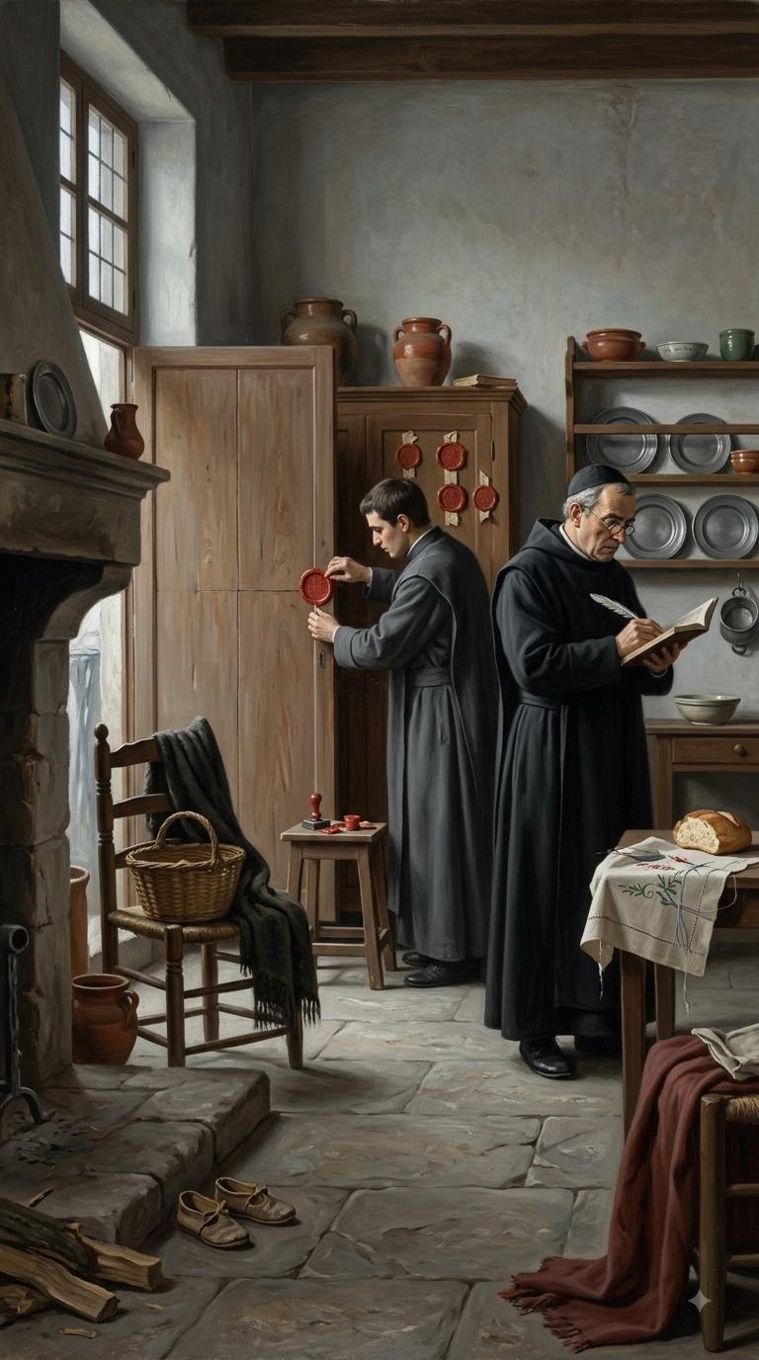
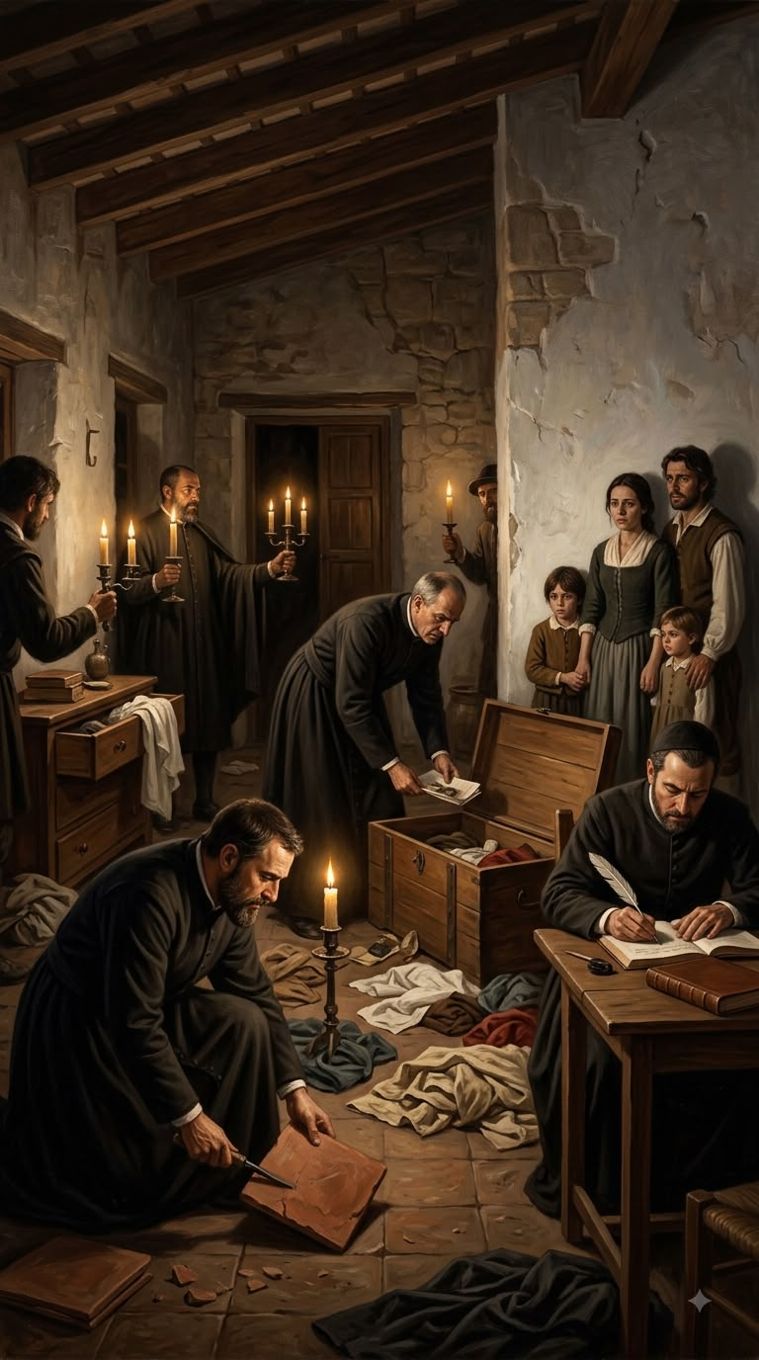
Before all that came the intake. On 3 October 1689 a clerk entered a numbered cell to process a prisoner who had arrived two nights earlier, and wrote: «I found a man, who said his name was Juanot Forteza, a merchant by trade, native and resident of this City». Then came the search, an inventory of everything the prisoner carried.
First the body was recorded, then the family, and last of all the soul. For genealogists today, those forced declarations are among the most valuable sources there are on these families.