01Archive · AHN
March 1688
The night it rained
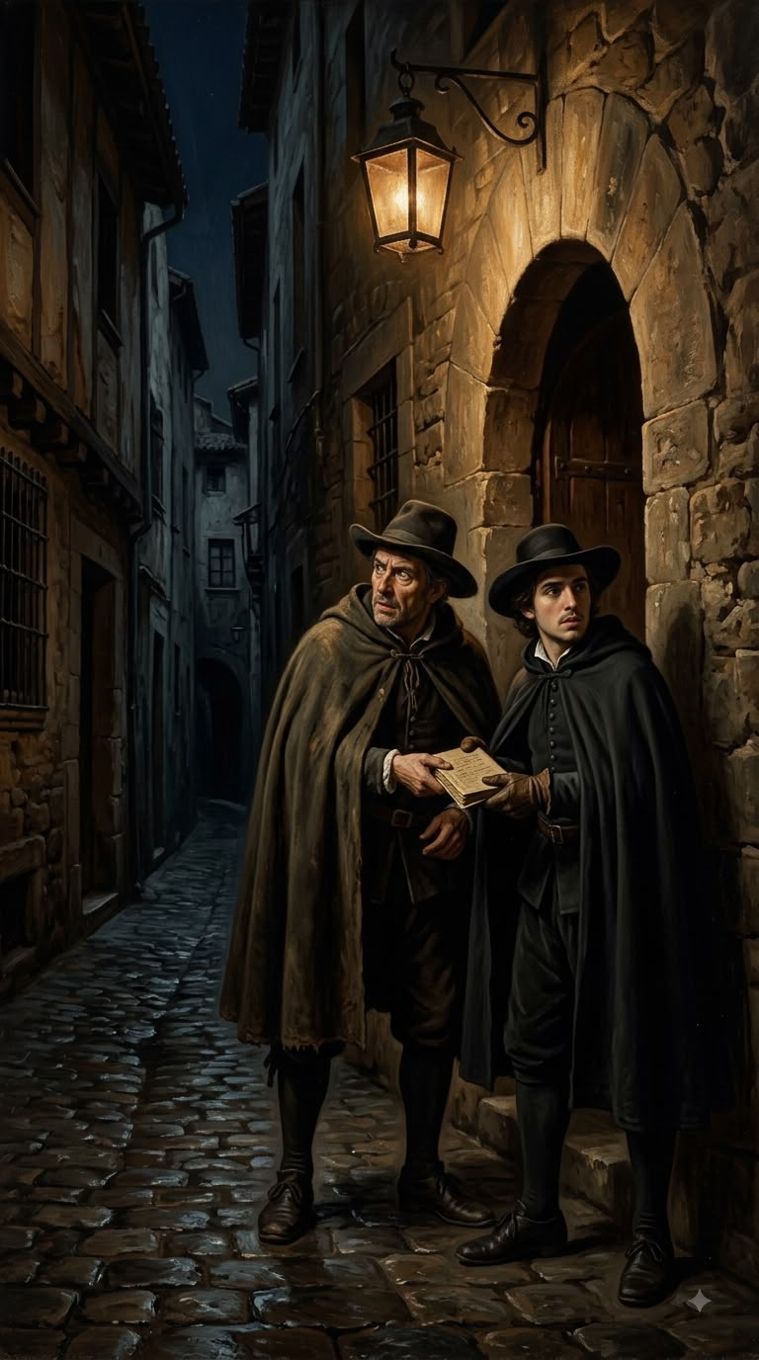
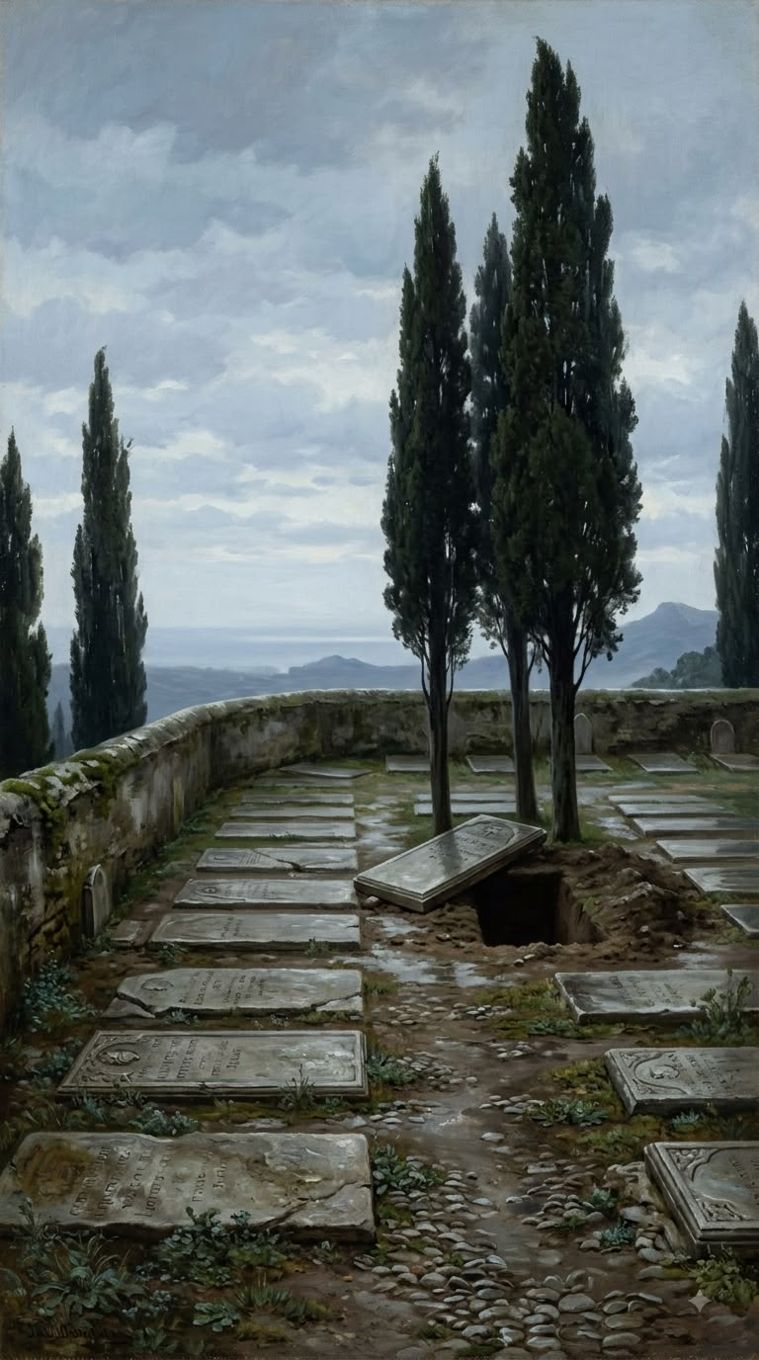
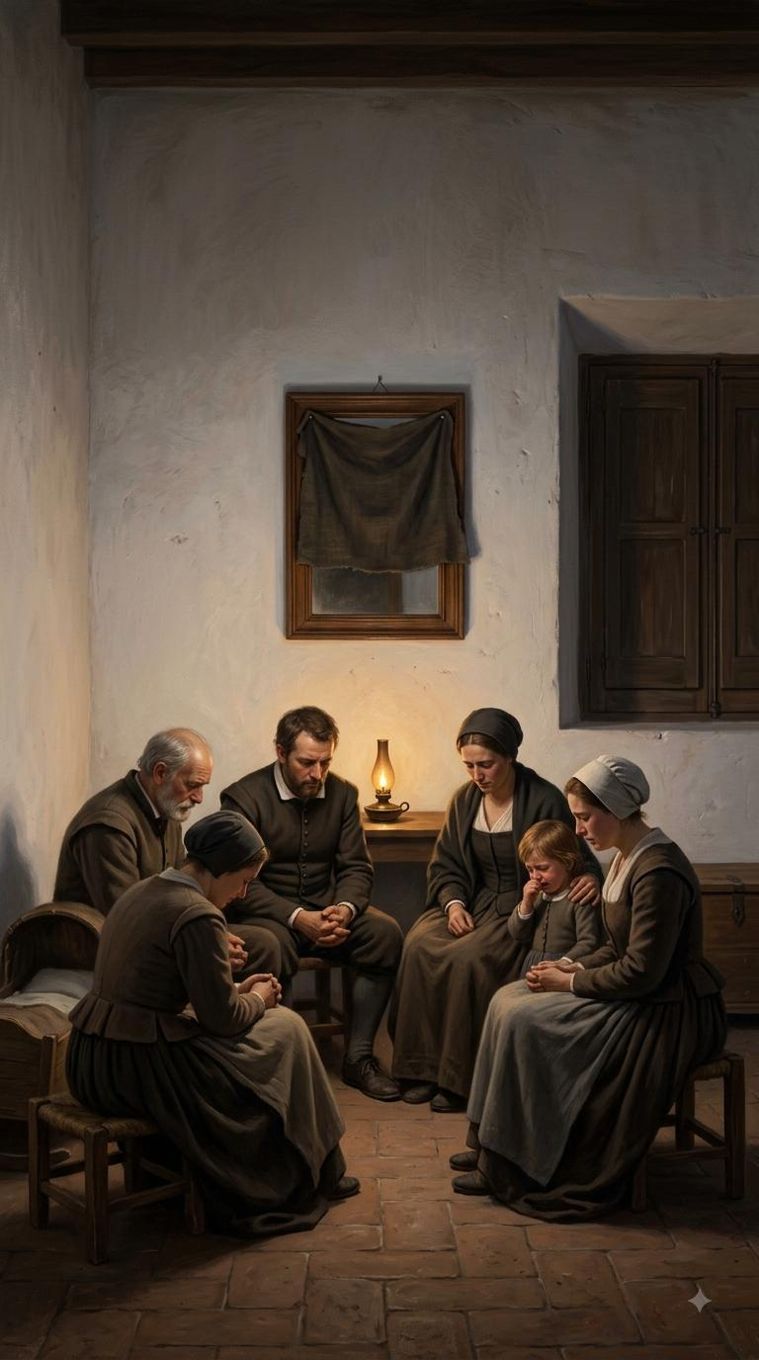
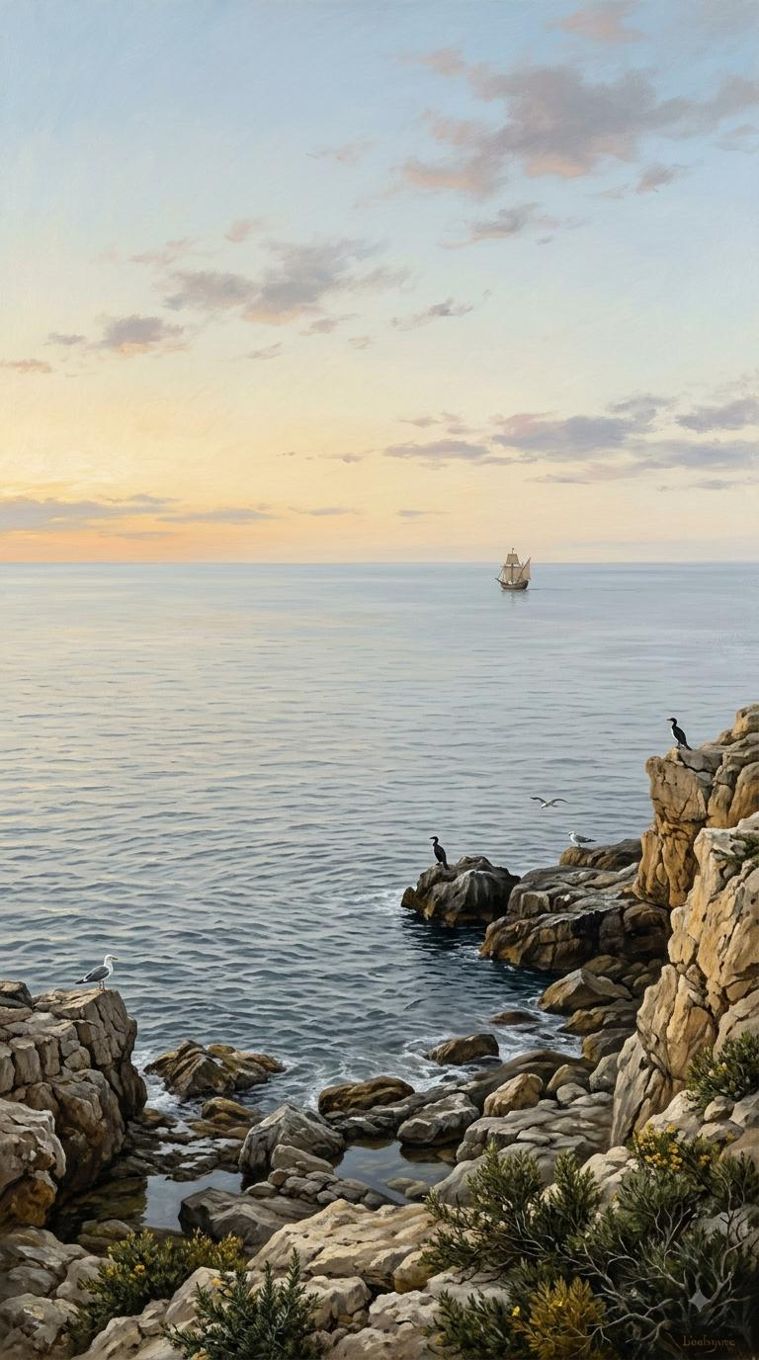
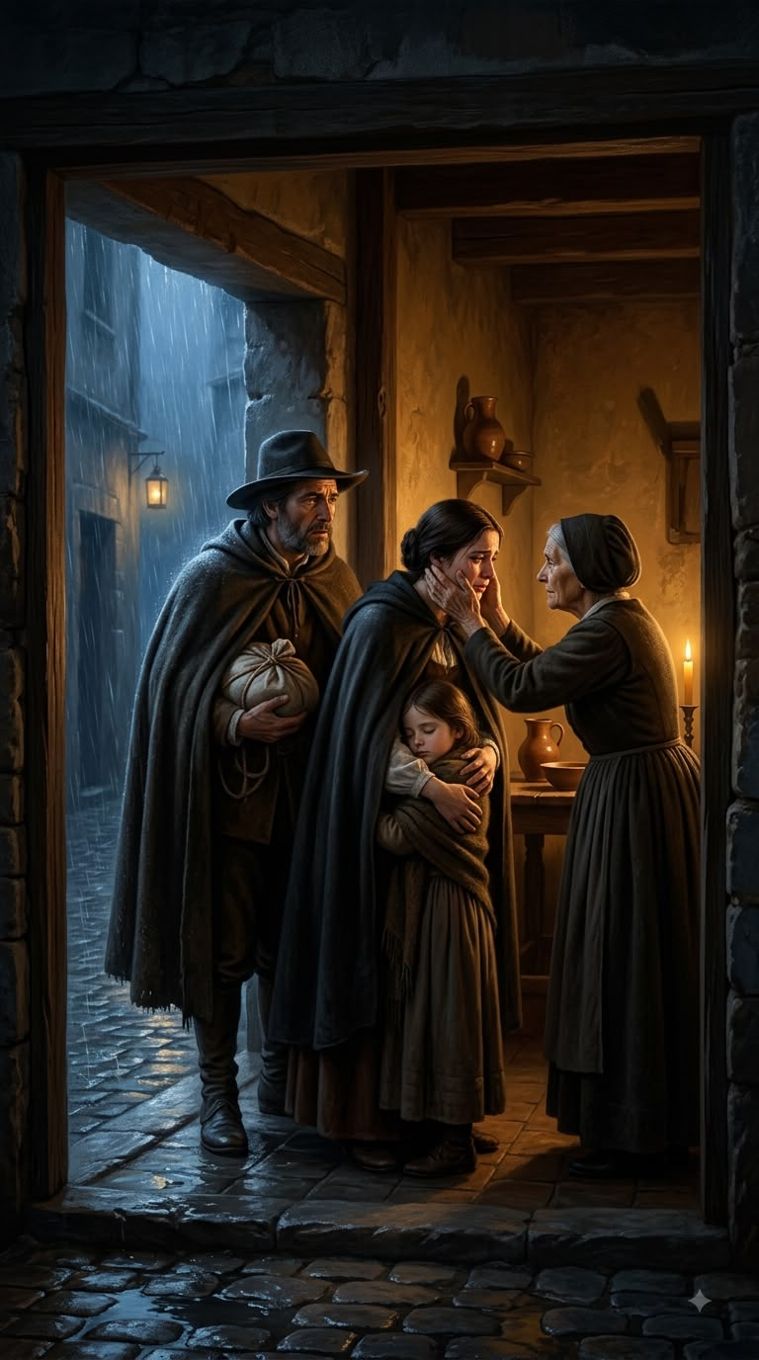
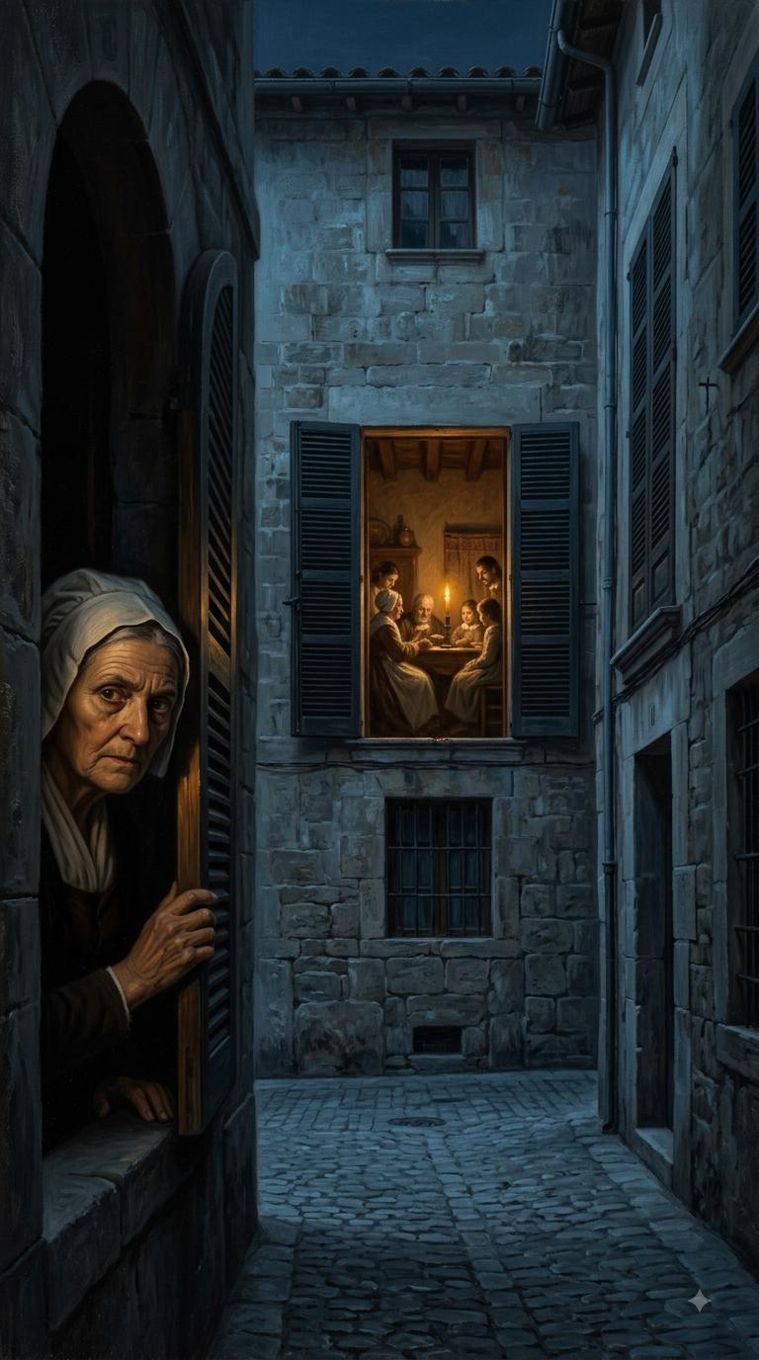
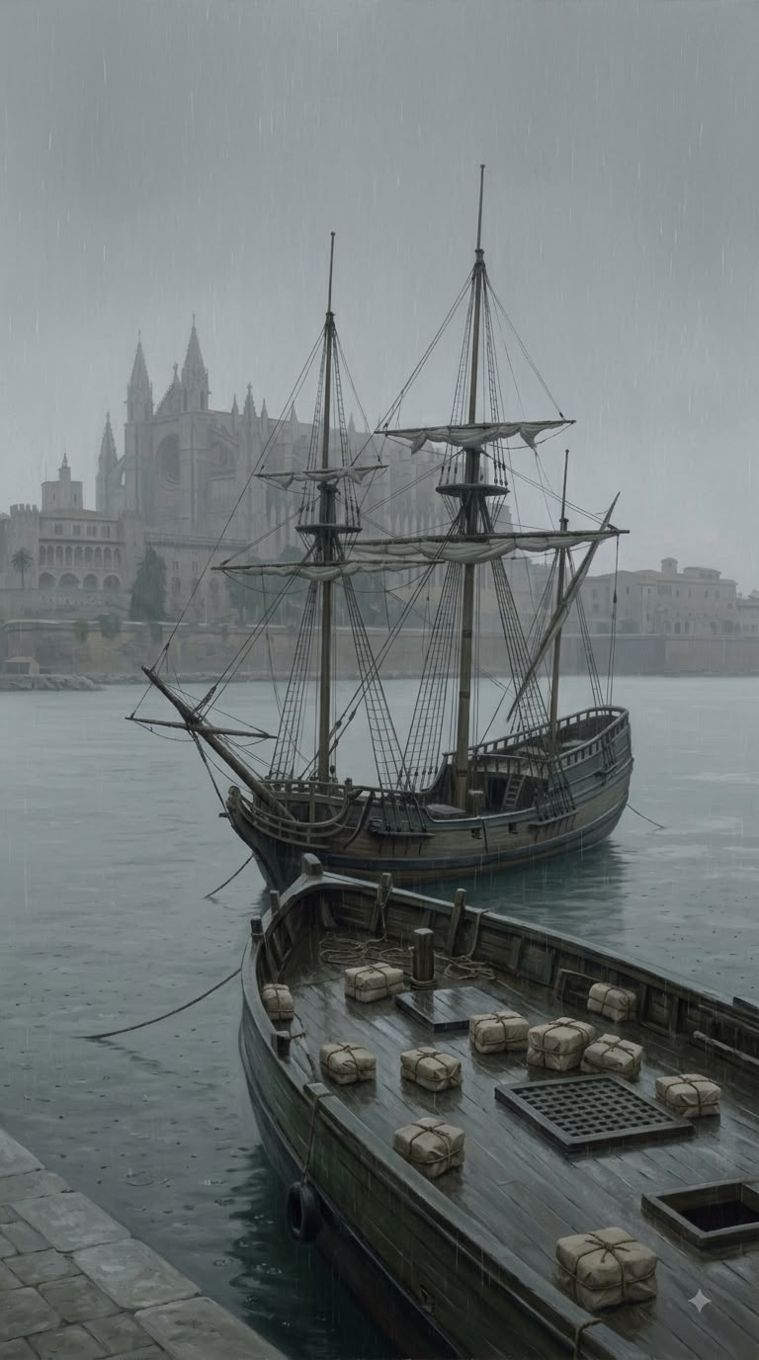
Several families from Palma's silversmiths' quarter decided to leave Majorca by night, on a ship arranged by Rafael Valls. It rained so hard the ship could not sail.
In 1691 the Spanish Inquisition handed 37 people in Palma de Mallorca over to the fire, some in person, some in effigy. Three were burned alive. Their surnames marked their descendants for generations. If one of them is in your family tree, this story is yours too.
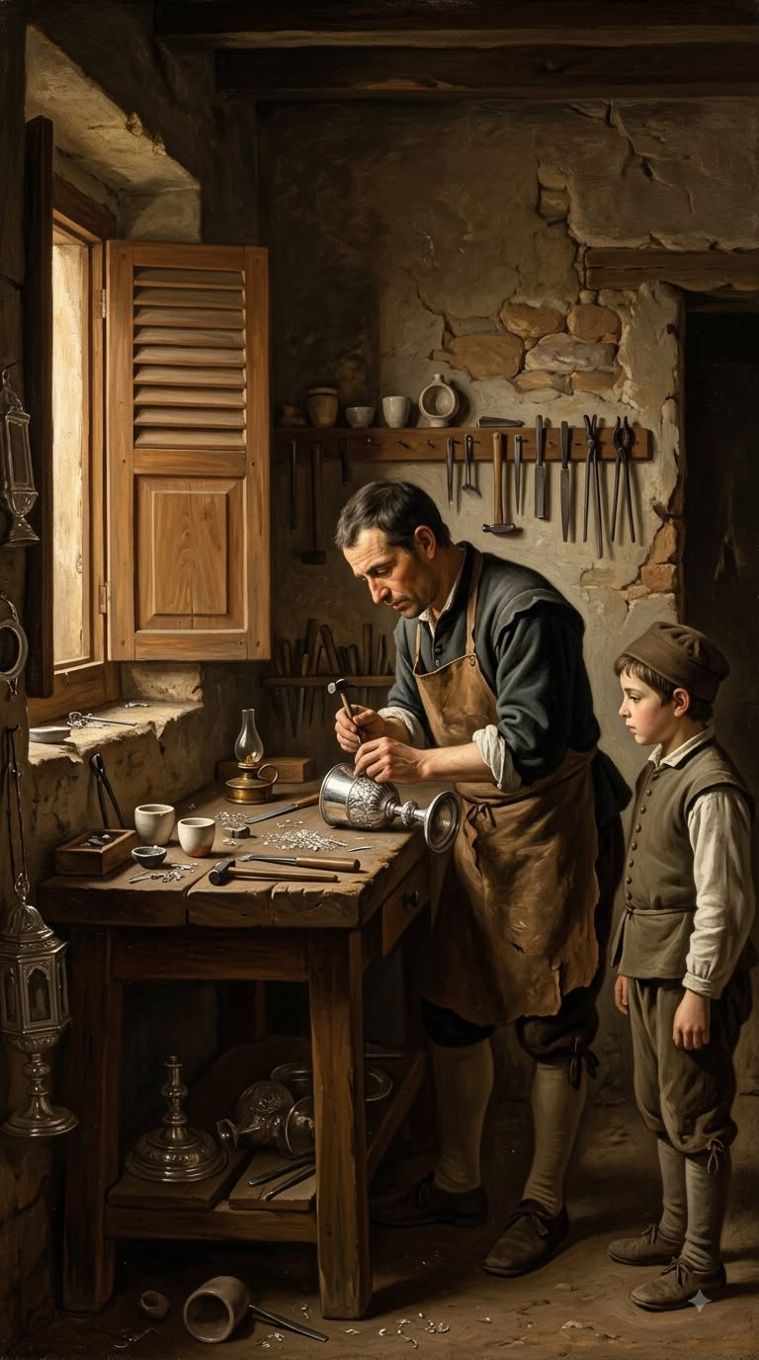
When most Jews were expelled from Spain in 1492, the Jews of Majorca were already gone, at least on paper. After the riots of 1391 and a mass forced conversion in 1435, the island's whole Jewish community had become Catholic. Many of them kept Jewish practice alive in secret for more than two centuries: Shabbat, the fasts of Yom Kippur and «Queen Esther», the dietary laws, the forgiveness of the elders.
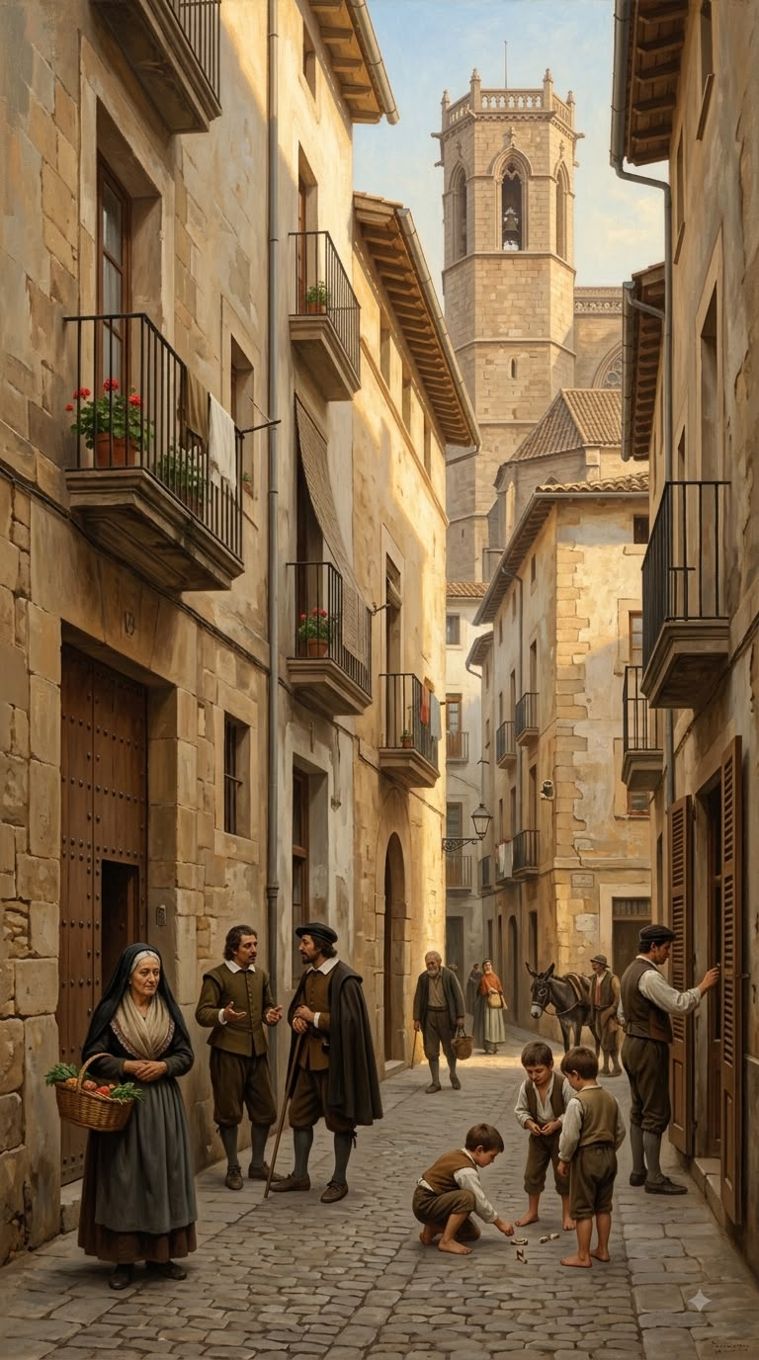
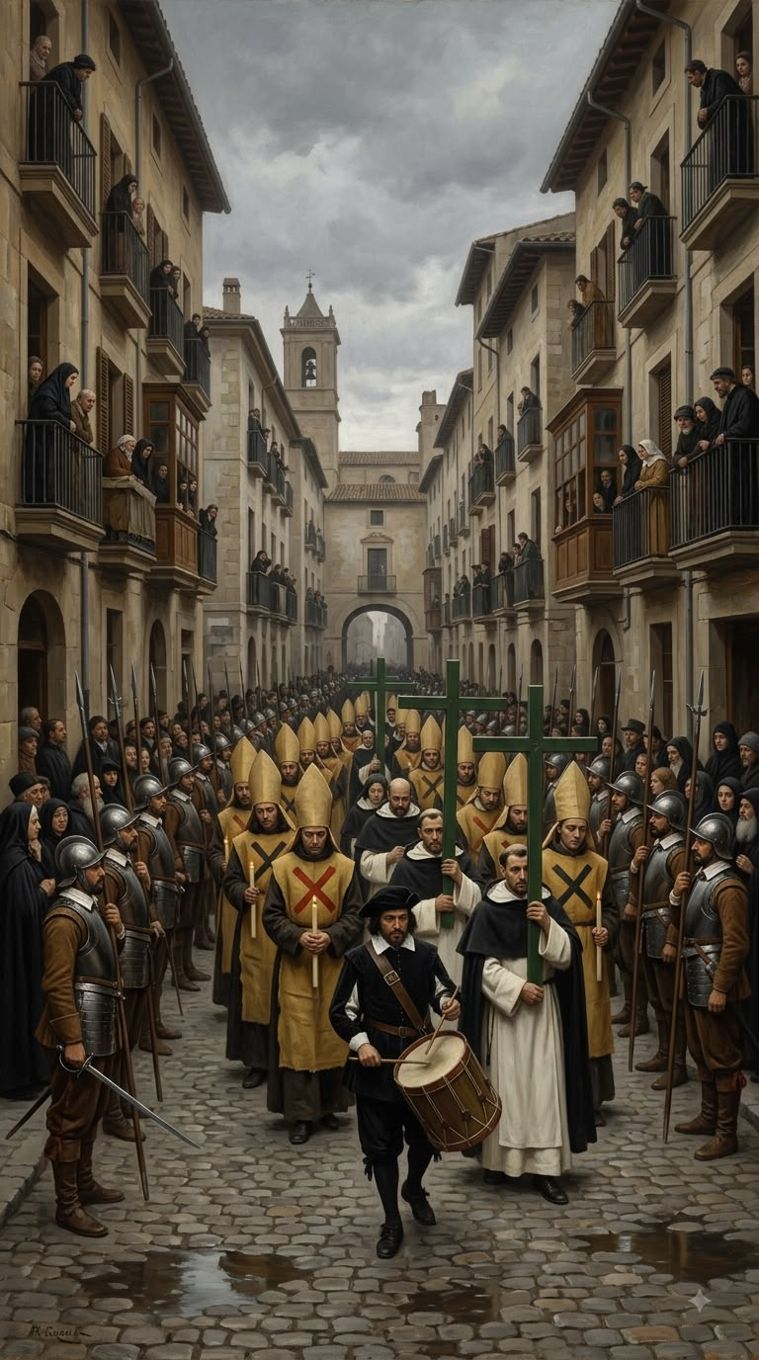
In the 1670s and 1680s the Inquisition of Majorca uncovered that hidden community around Sagell Street and the silversmiths' quarter of Palma. The trials ended in four autos-da-fé in 1691. Rafael Valls, Catalina Tarongí and her brother Rafael Benet refused to renounce their faith and were burned alive. Their names, and those of the others condemned, were hung on the walls of the Dominican convent for over a century.
The descendants became known as Chuetas (in Catalan, Xuetes). For two hundred years fifteen surnames decided whom they could marry, which trades they could practice and which church pews they could sit in. In 2011 a leading Israeli rabbinical authority recognized the Chuetas as Jews. Today an estimated eighteen to twenty thousand people in Majorca carry those names, and many more live in Spain, Latin America and the United States.
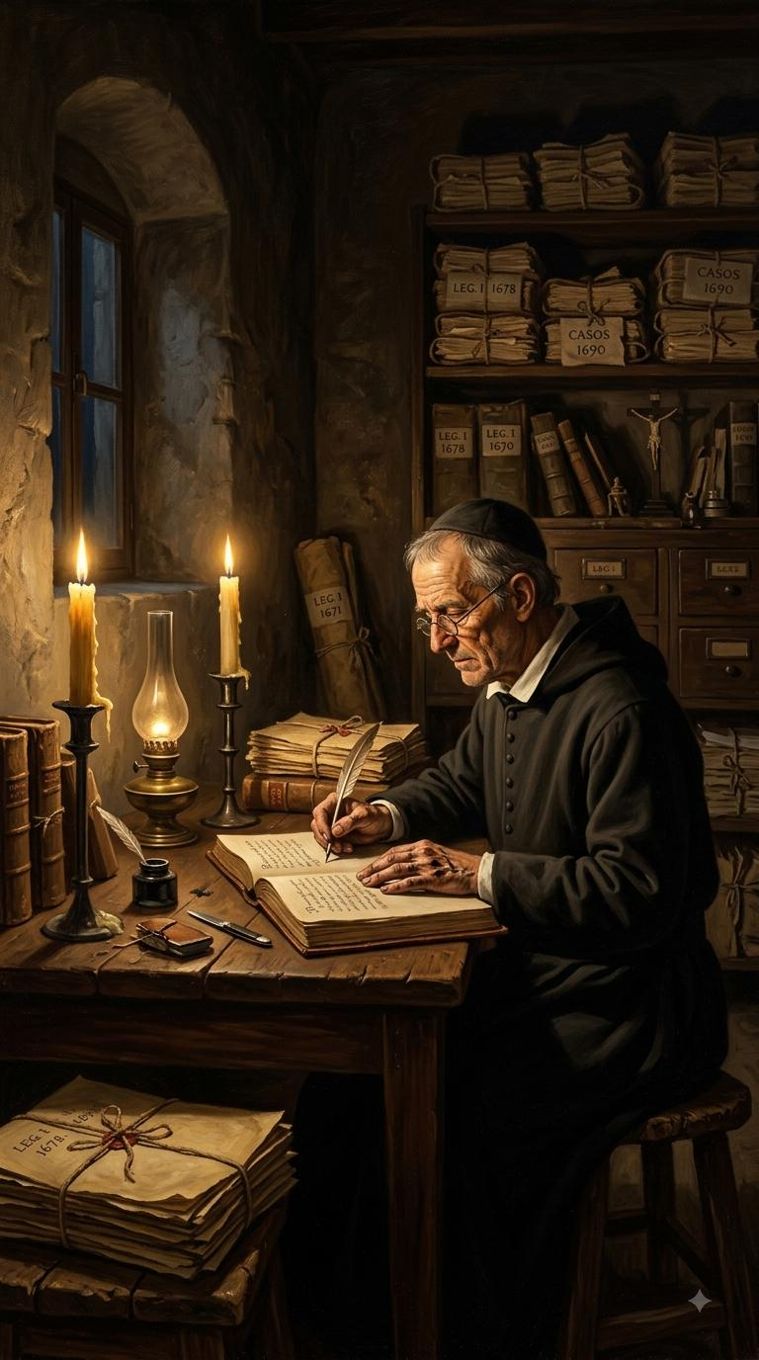
These pages tell their story from the primary sources: the Inquisition's own trial records in Spain's National Historical Archive, and the 1691 chronicle written to celebrate the burnings.
Many of these names are also common across Catalonia and Valencia. Carrying one does not by itself mean descent from the conversos of Palma; that depends on your branch, and it can be traced in parish and Inquisition records.
42 short stories drawn from the Inquisition's trial records and from the Jesuit Francisco Garau's chronicle. Each one tells you its source, so you know what is documented and what is tradition.
Several families from Palma's silversmiths' quarter decided to leave Majorca by night, on a ship arranged by Rafael Valls. It rained so hard the ship could not sail.
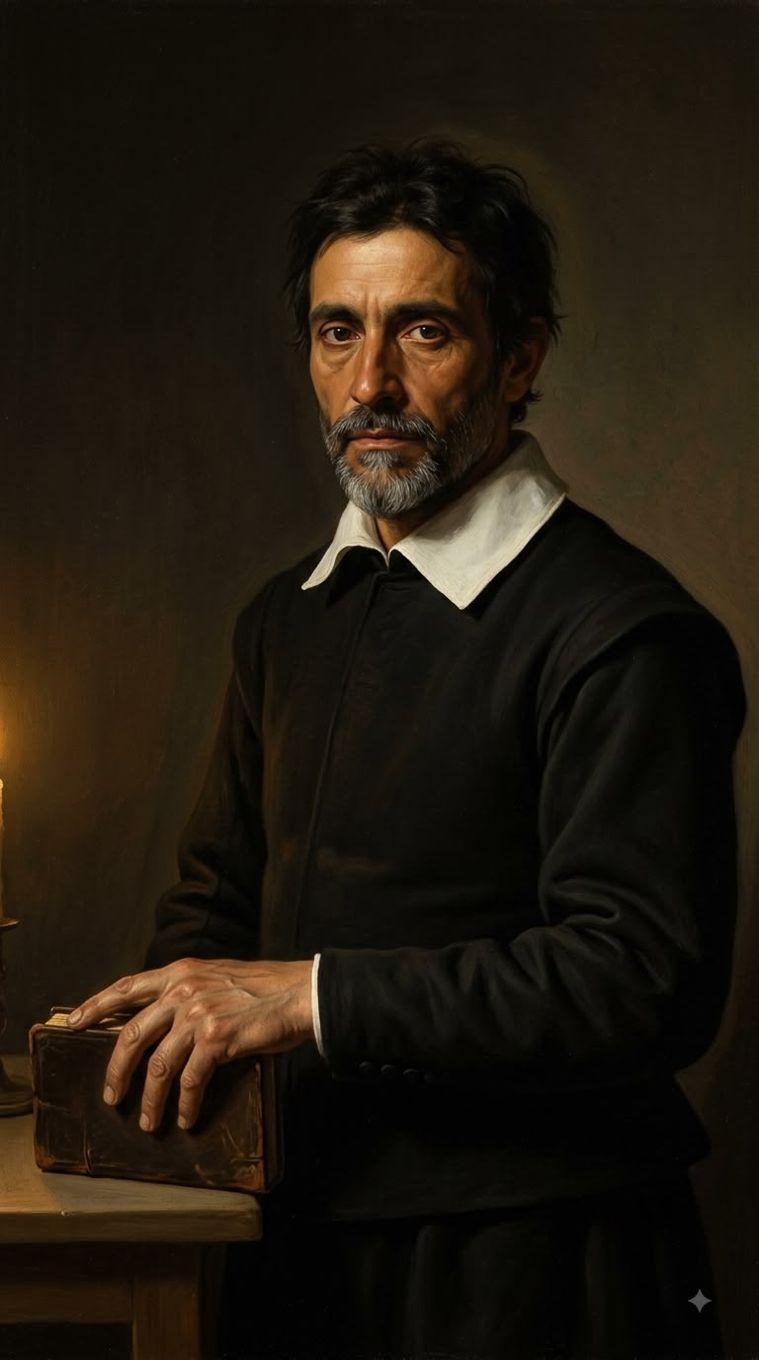
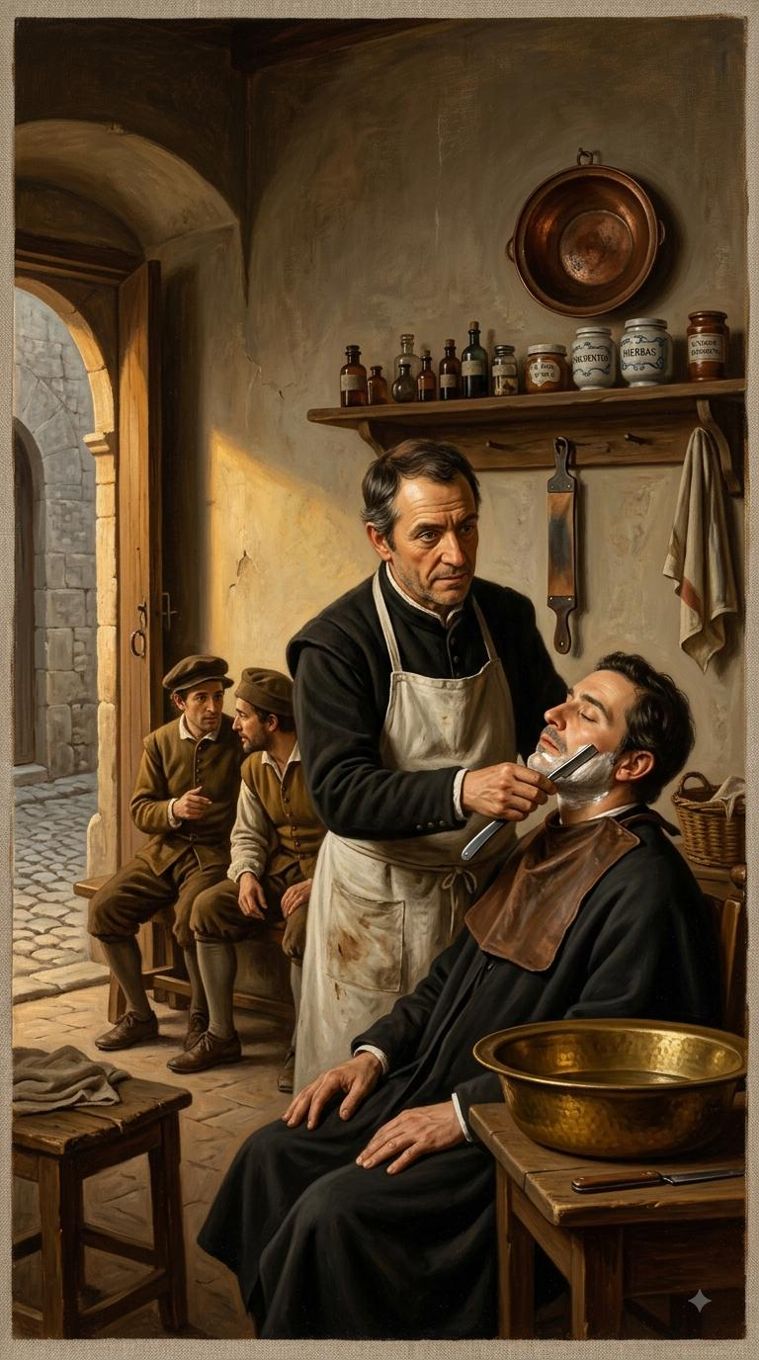
Gabriel Cortés was eleven, and his father sent him to buy oil at Moixina's shop. One day Moixina asked him what his father had eaten.
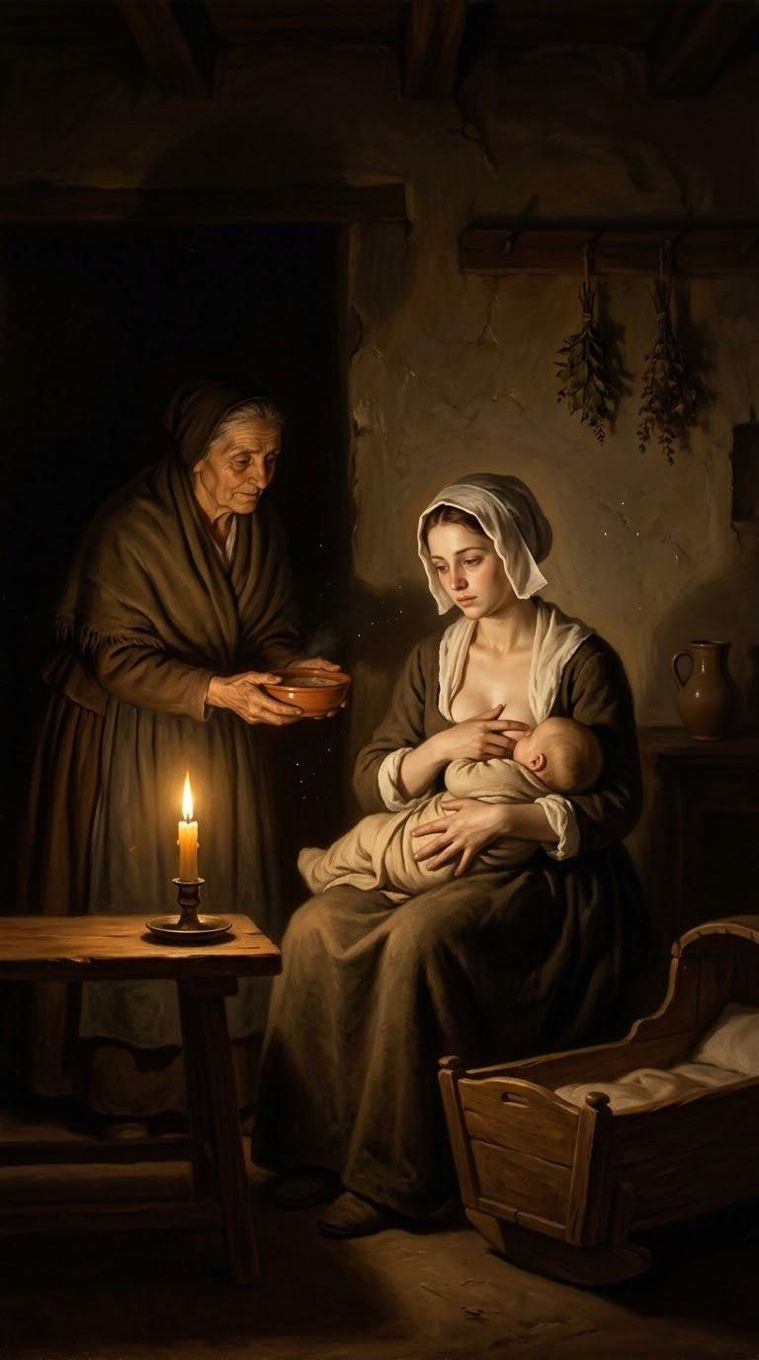
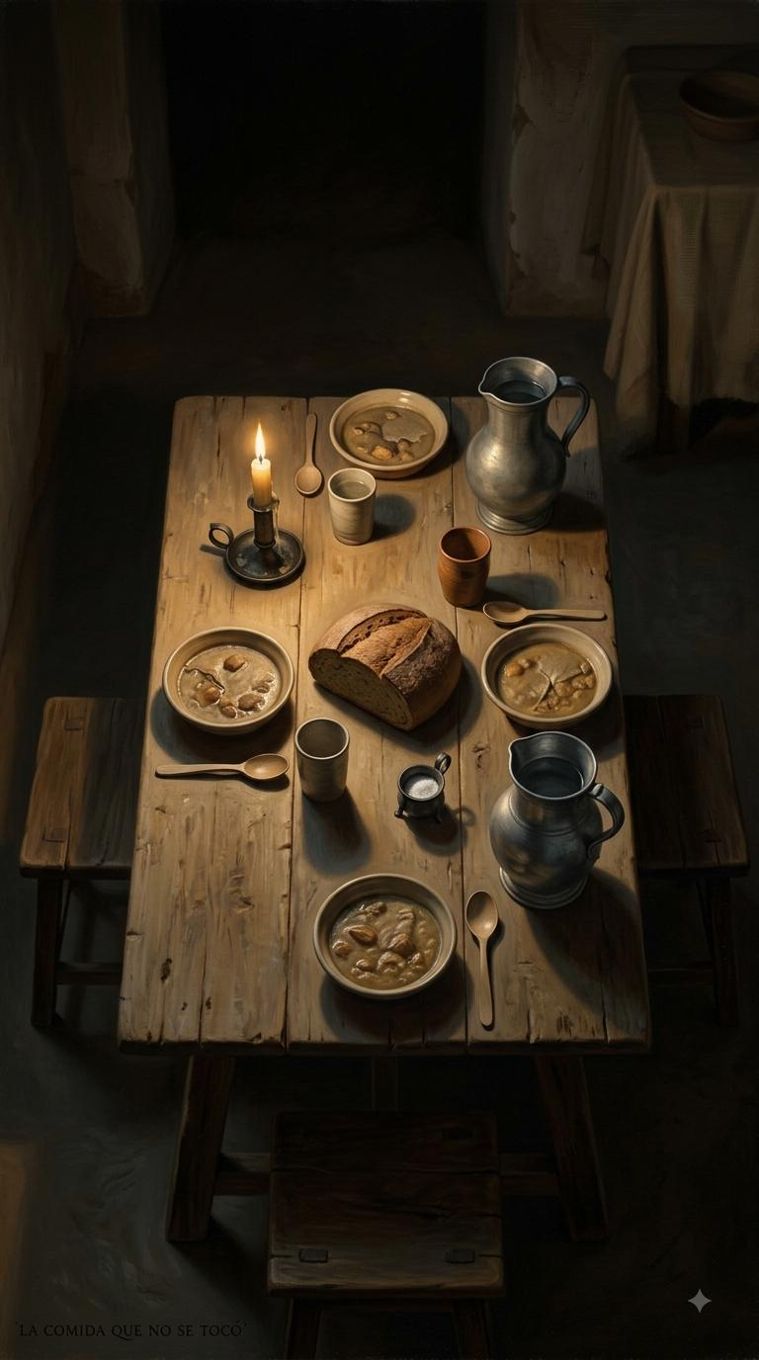
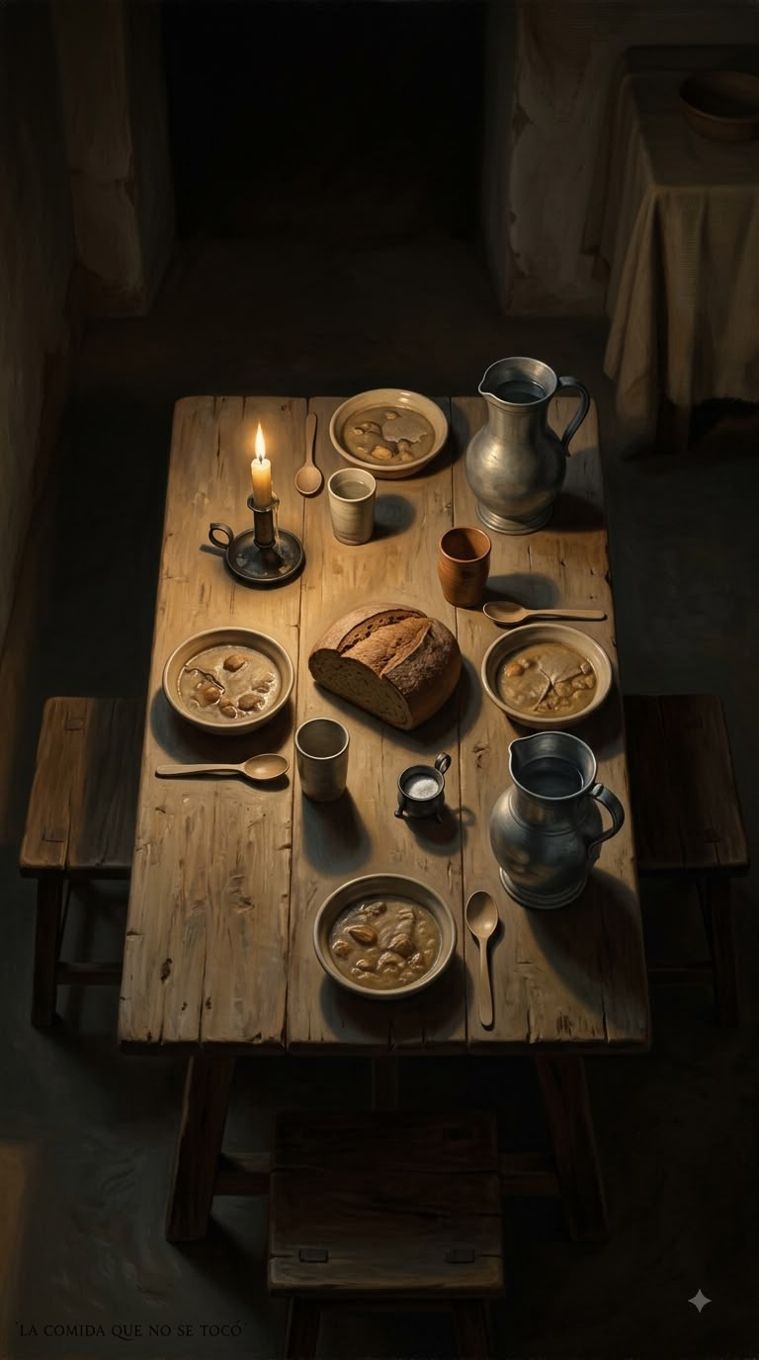
On fast days the mistress sat at the table and pretended to eat. The maid watched her and counted the mouthfuls she never took.
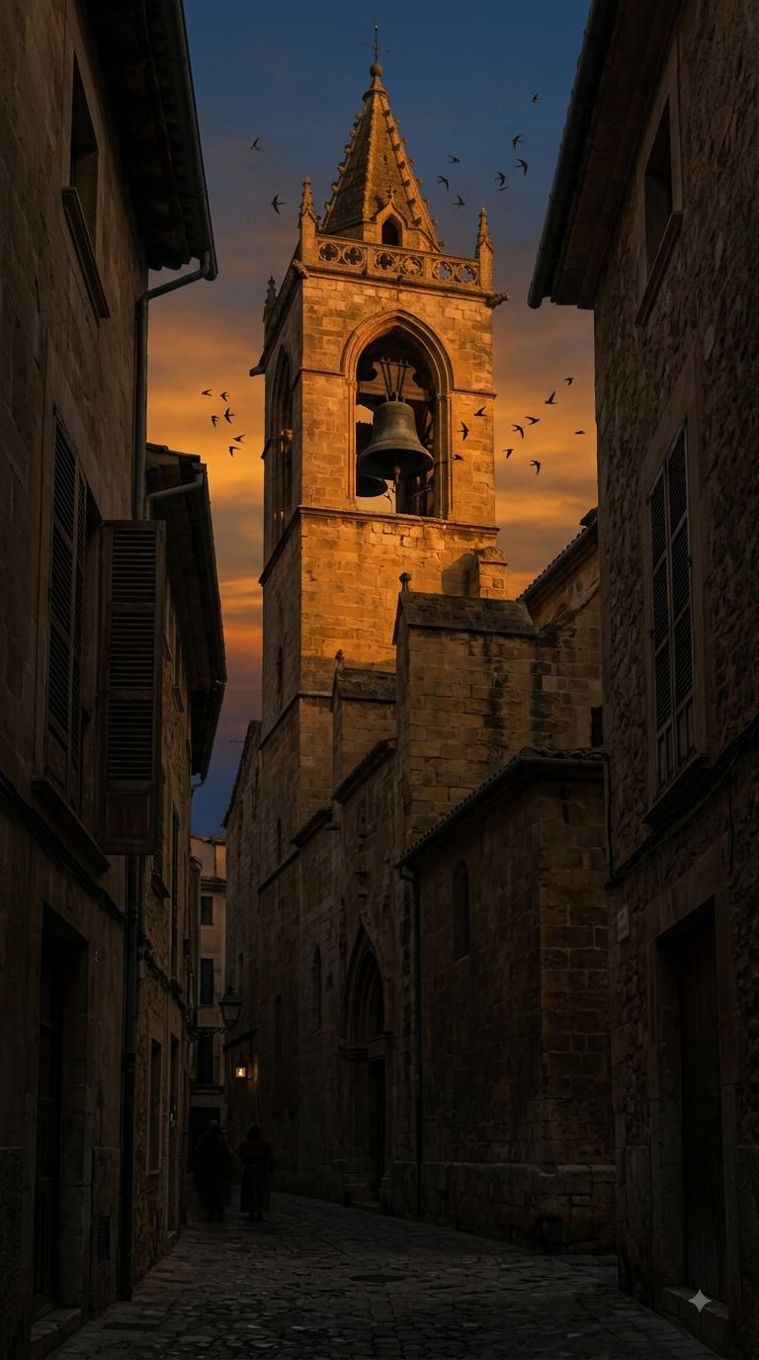
On Friday evening, when the church bells rang for prayer, she put down her work. It was the sign that the Sabbath had begun.
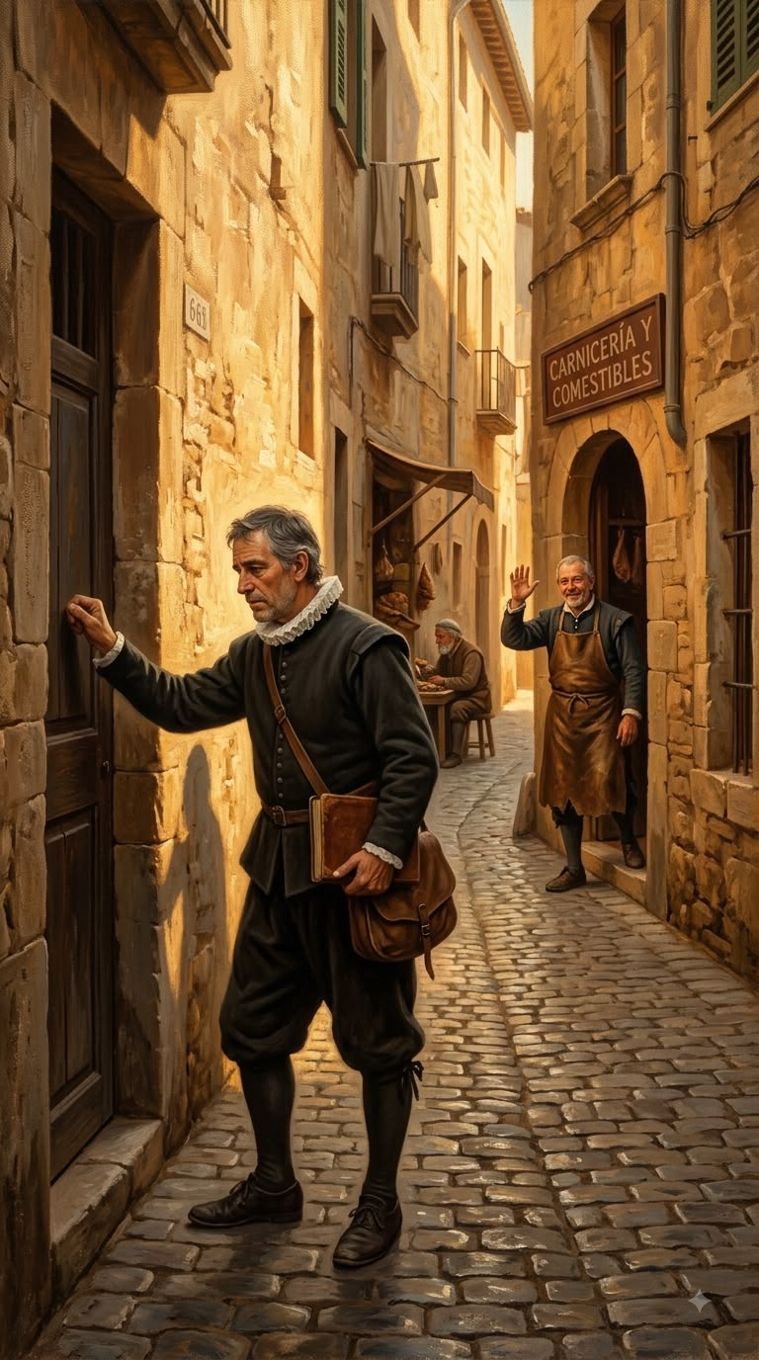
The wife said her husband was not home. But his cloak and hat lay on the chair by the stairs. The spy wrote it down in his «Paper No. 4».
Moixina visited a dying neighbor for several days and spoke to him of the God of Israel. He probably did not know the man had informed on him.
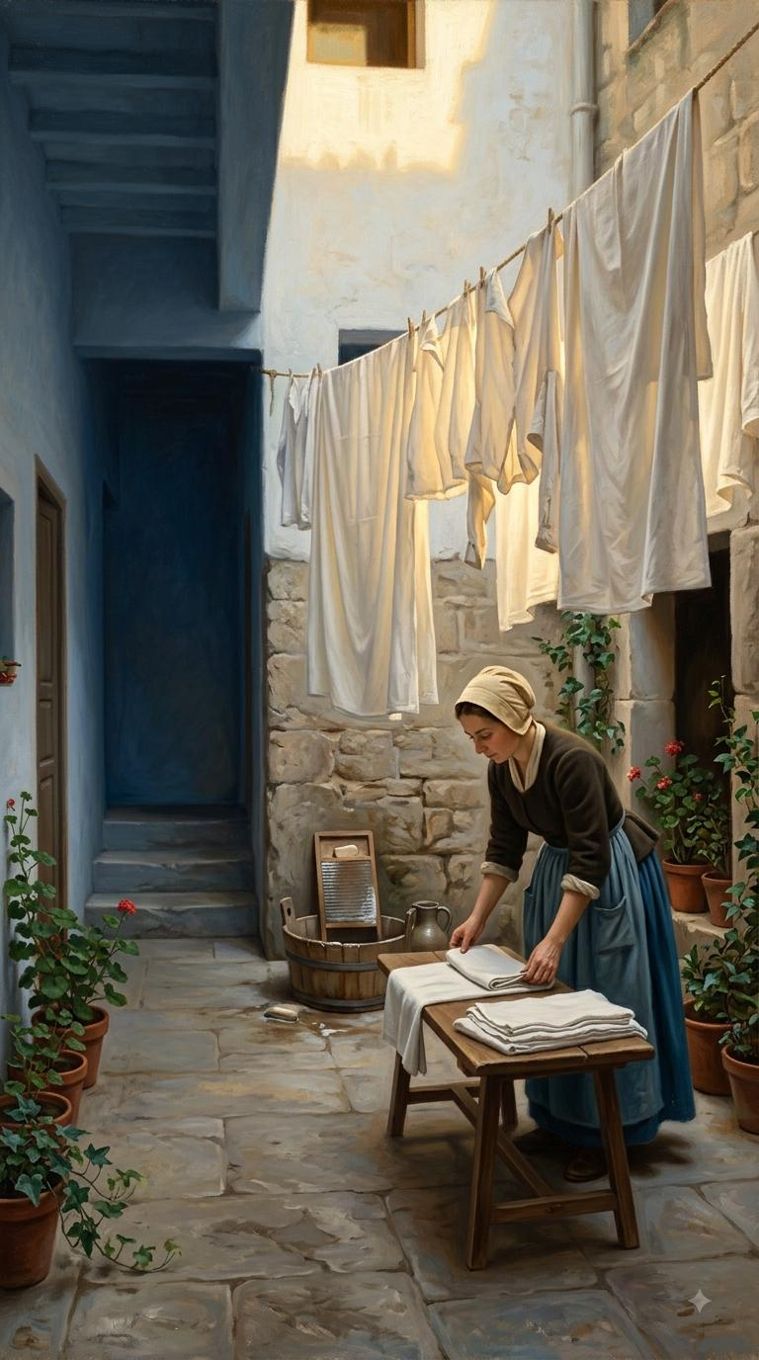
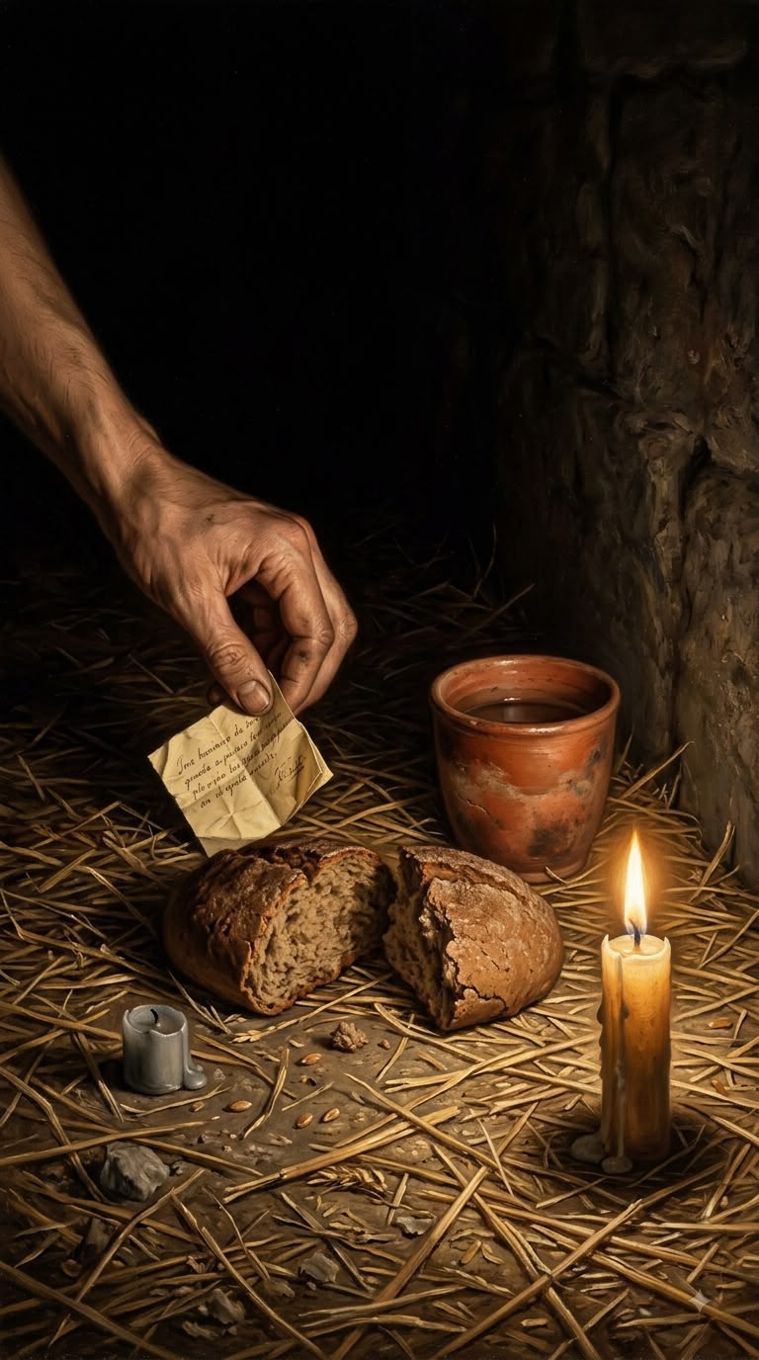
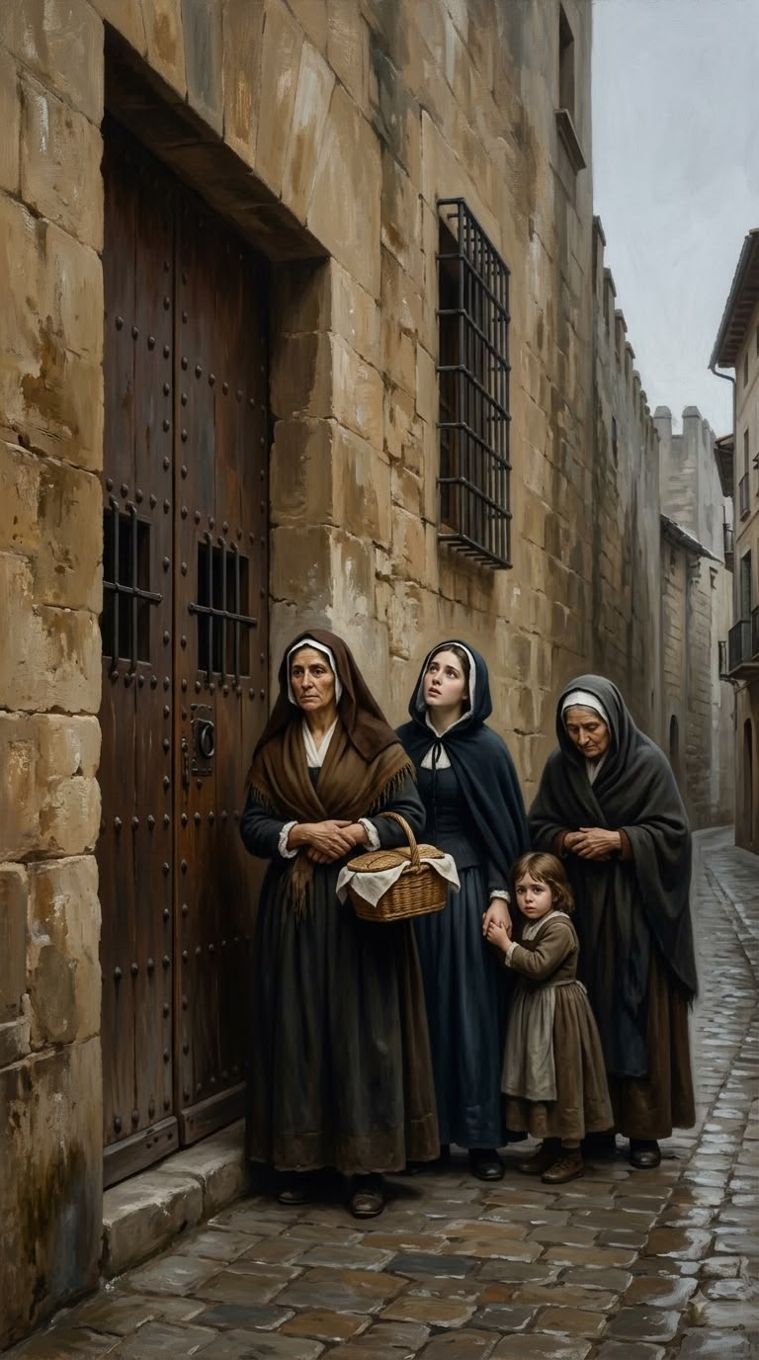
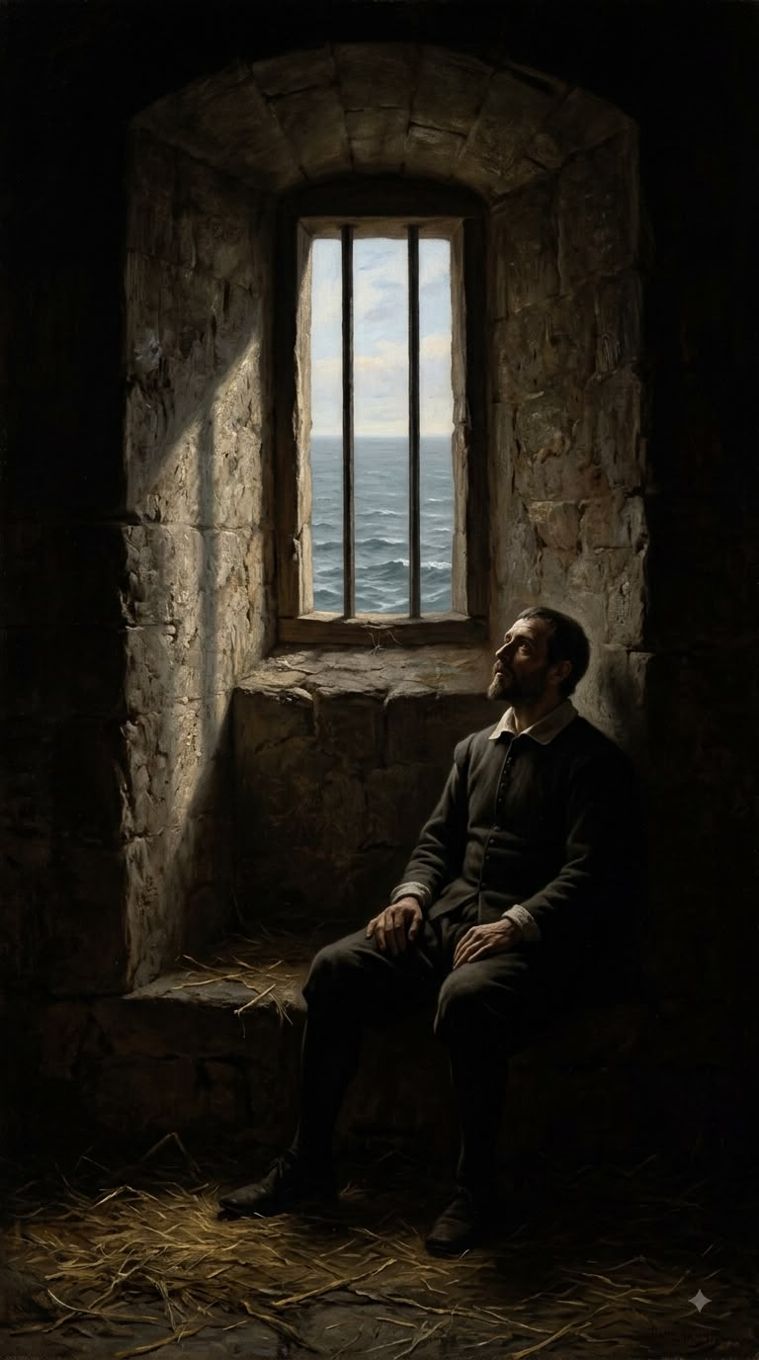
Gabriel Cortés wrote to his wife and son every week. The letters left the prison hidden in the clothes sent out to be washed.
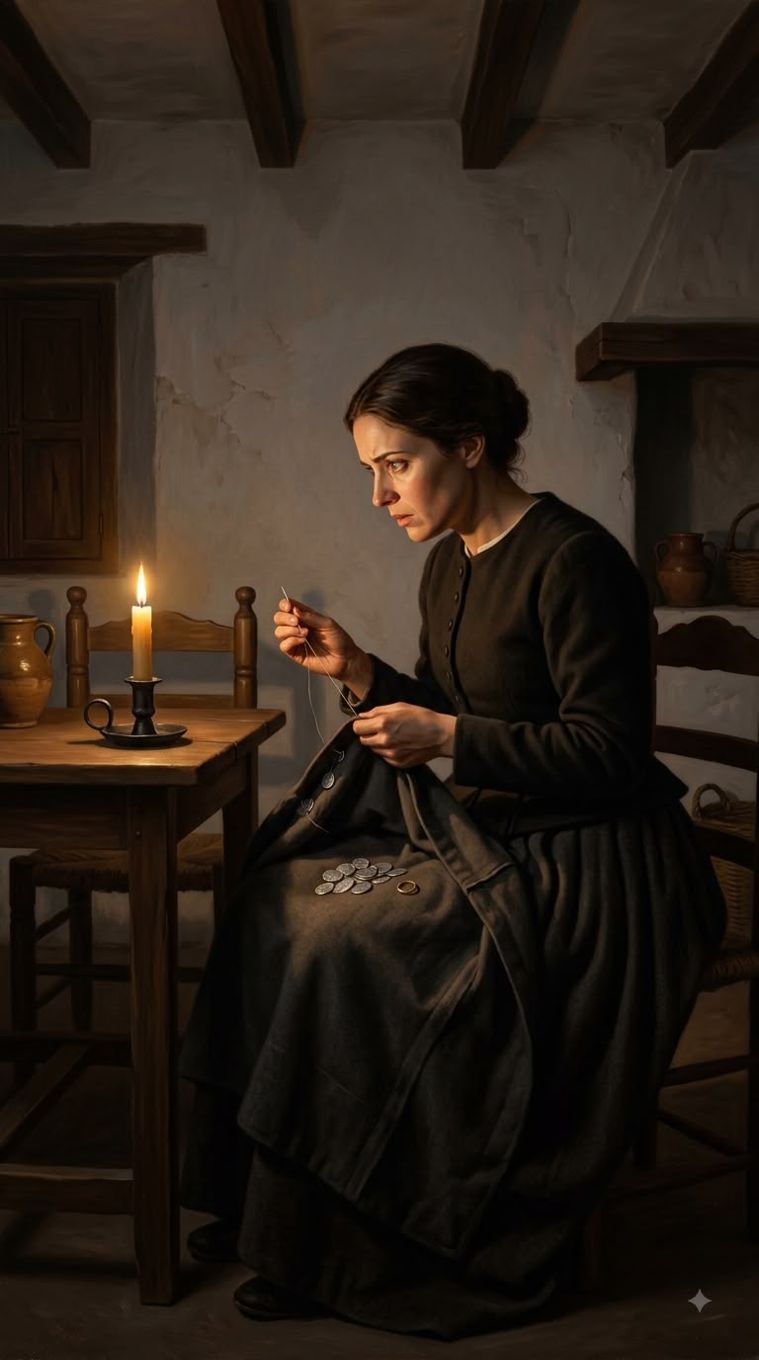
A woman prisoner talked to the next cell through a hole in the wall. She confided that she had jewels worth over three hundred pounds hidden in her clothes.
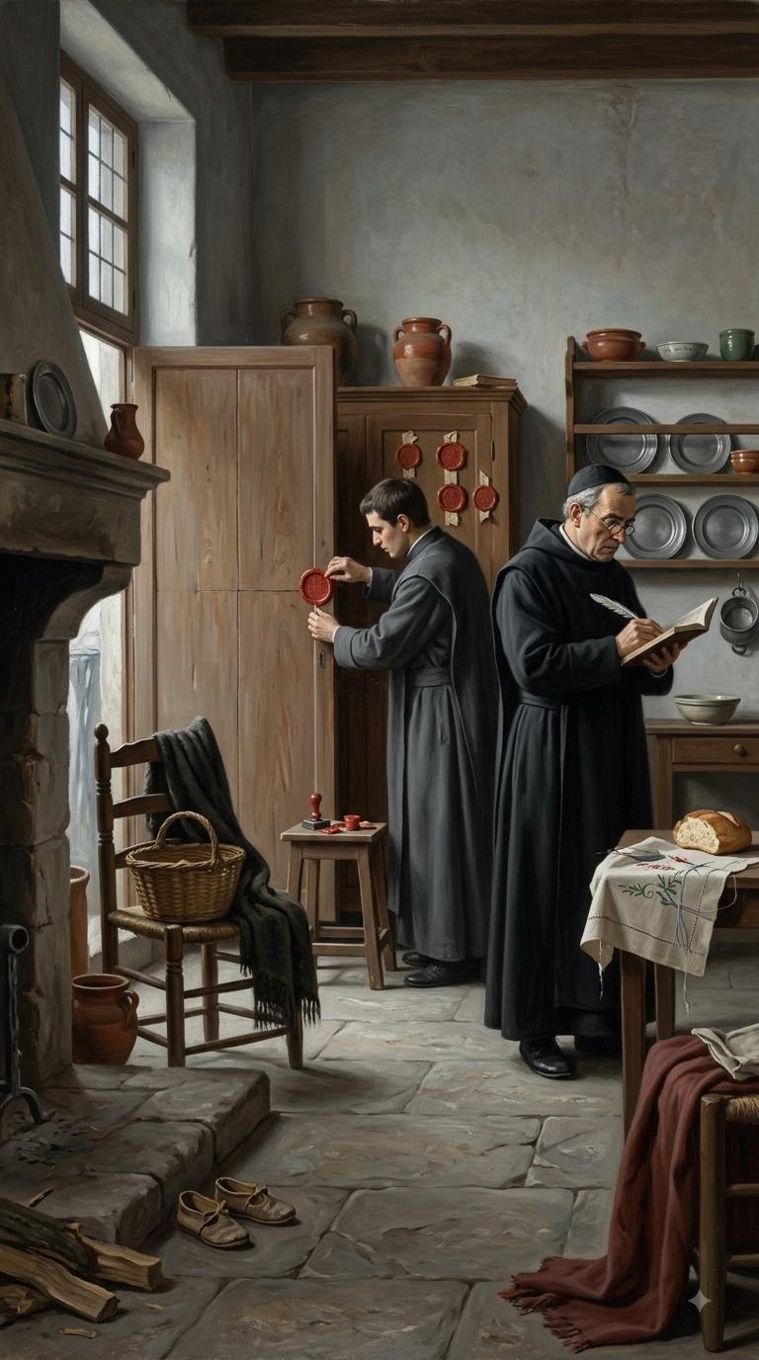
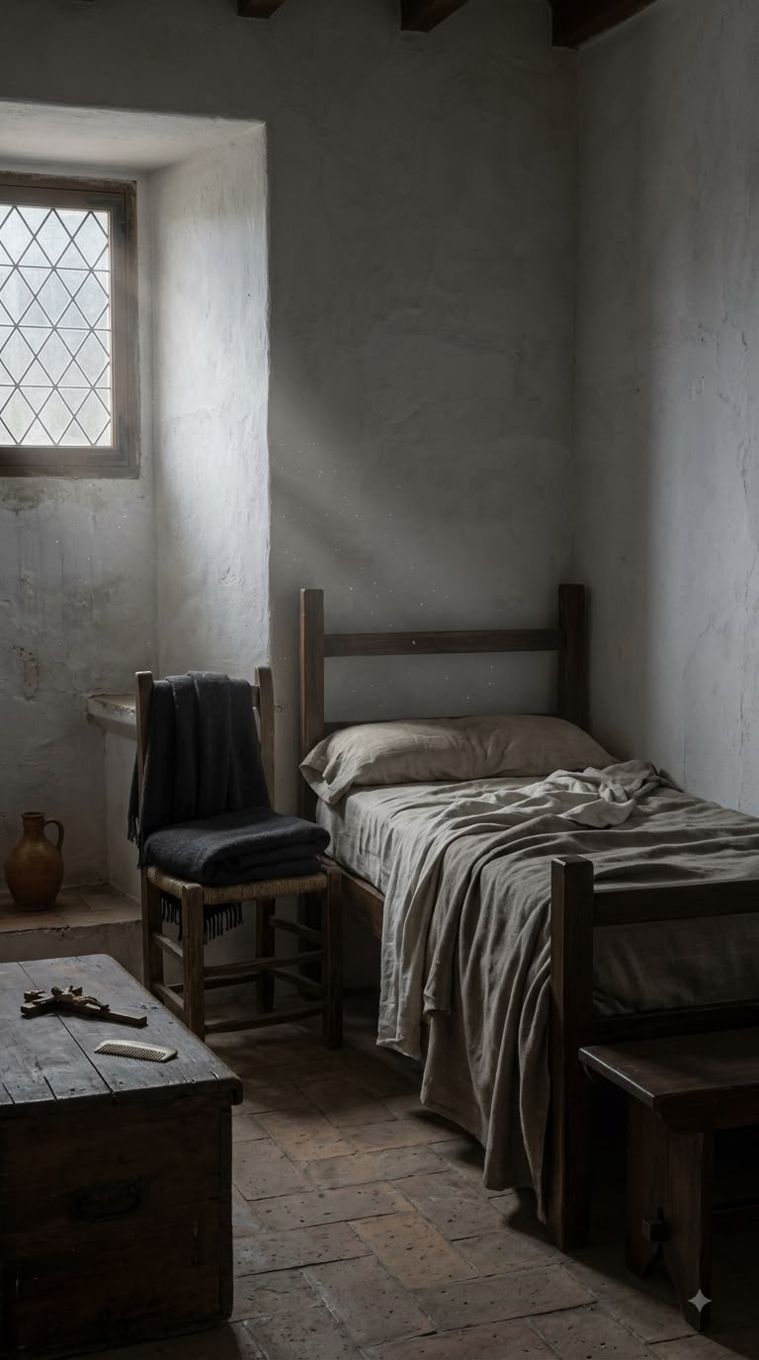
The order to arrest Quiteria Martí was a printed form. Someone filled in her name and street by hand. Below it, instructions to charge her for her food.
Francisca Tarongí died in prison before her trial ended. The tribunal did not close the case. It went on «against her memory and reputation».
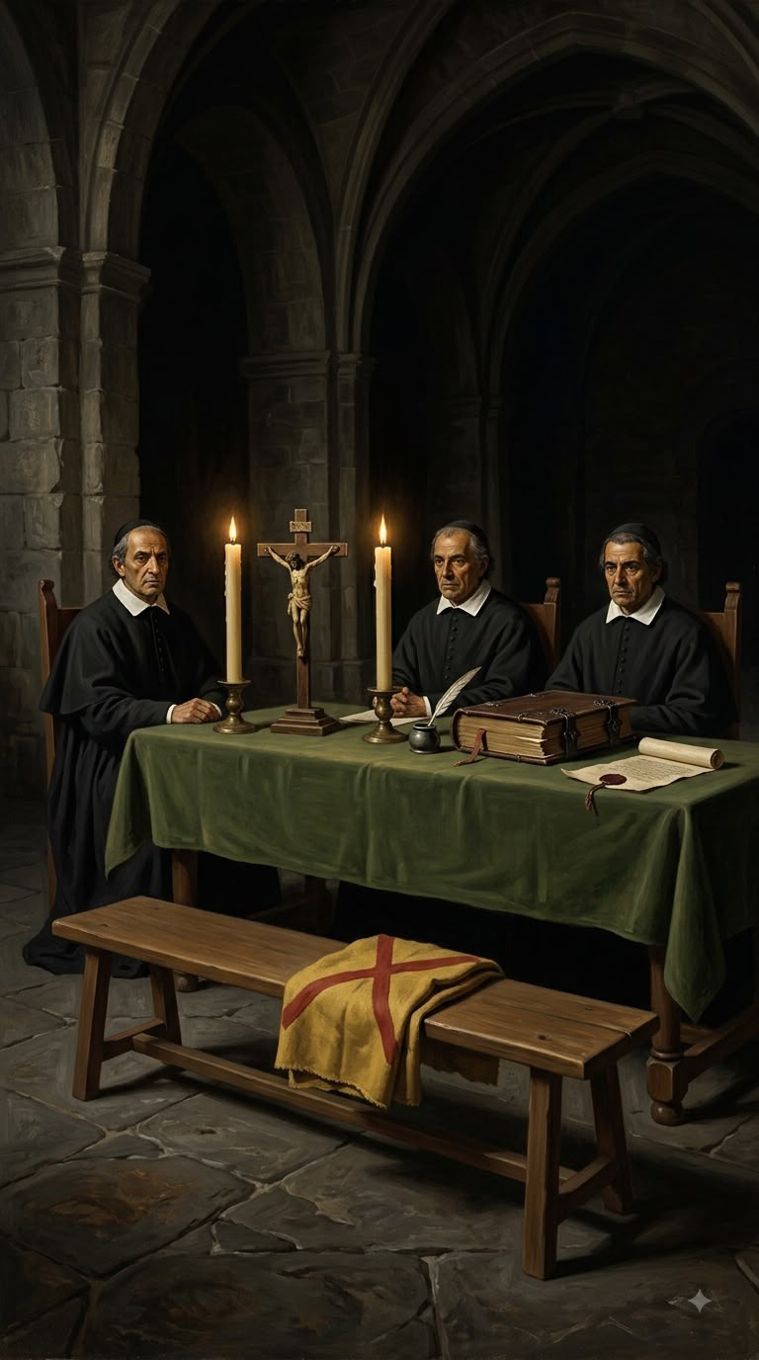
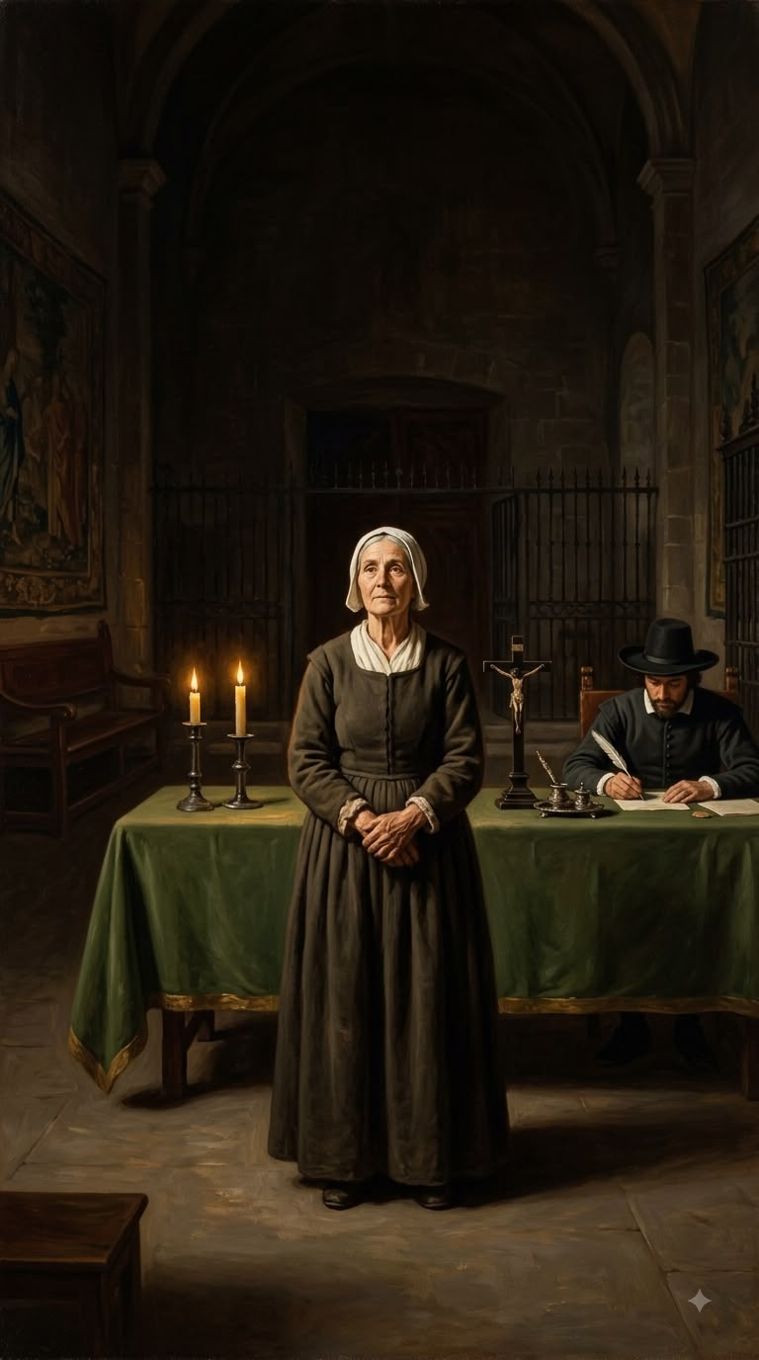
Before the full tribunal, Rafael Valls refused to swear on the cross. He swore «by the God of Israel and the Law of Moses».
Moixina wrote Margarita Ana Piña a letter proposing marriage, argued with Bible verses. Her answer had nothing to do with faith.
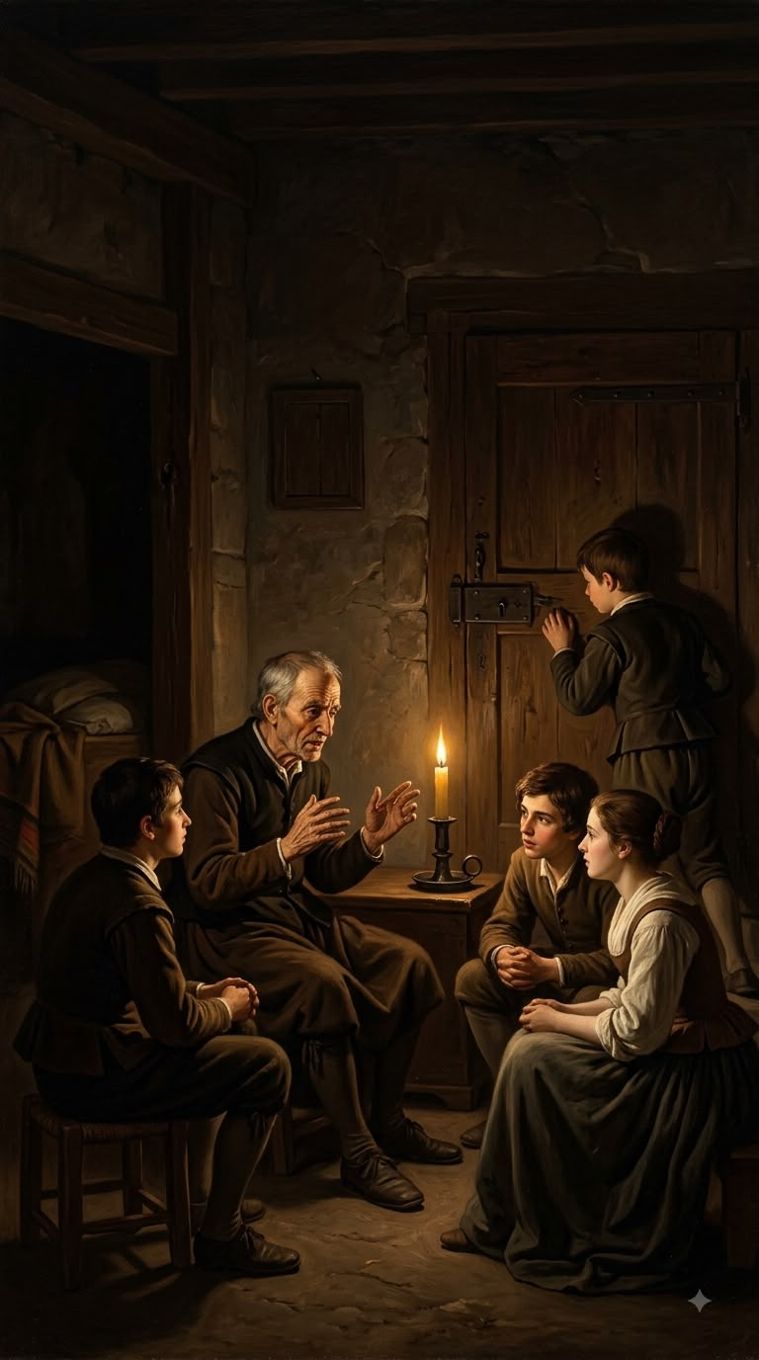
Guillem was fourteen and Joanot twelve. Their father taught them to worship the God who created heaven and earth, and to tell no one.
When the fast of forgiveness ended, the young went to their elders' homes, kissed their hands and asked forgiveness. The elders answered: «May God forgive you».
In June 1687 the silversmiths ran bulls in their street for Saint Eligius. Onofre Cortés asked Francisca Forteza two or three times to come and watch.
Moixina and Bartolomé Cortés told each other they were observant while walking by the sea toward Portopí. There were no walls there to listen.
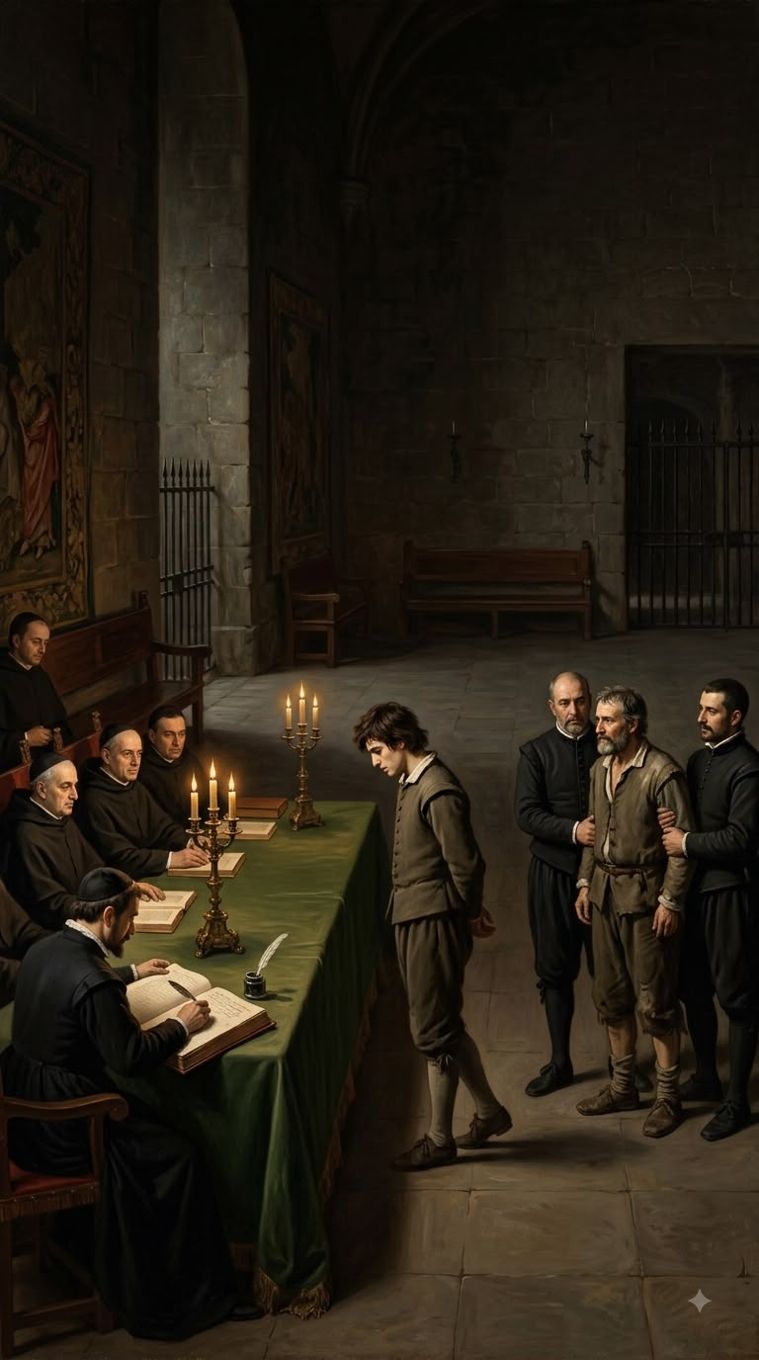
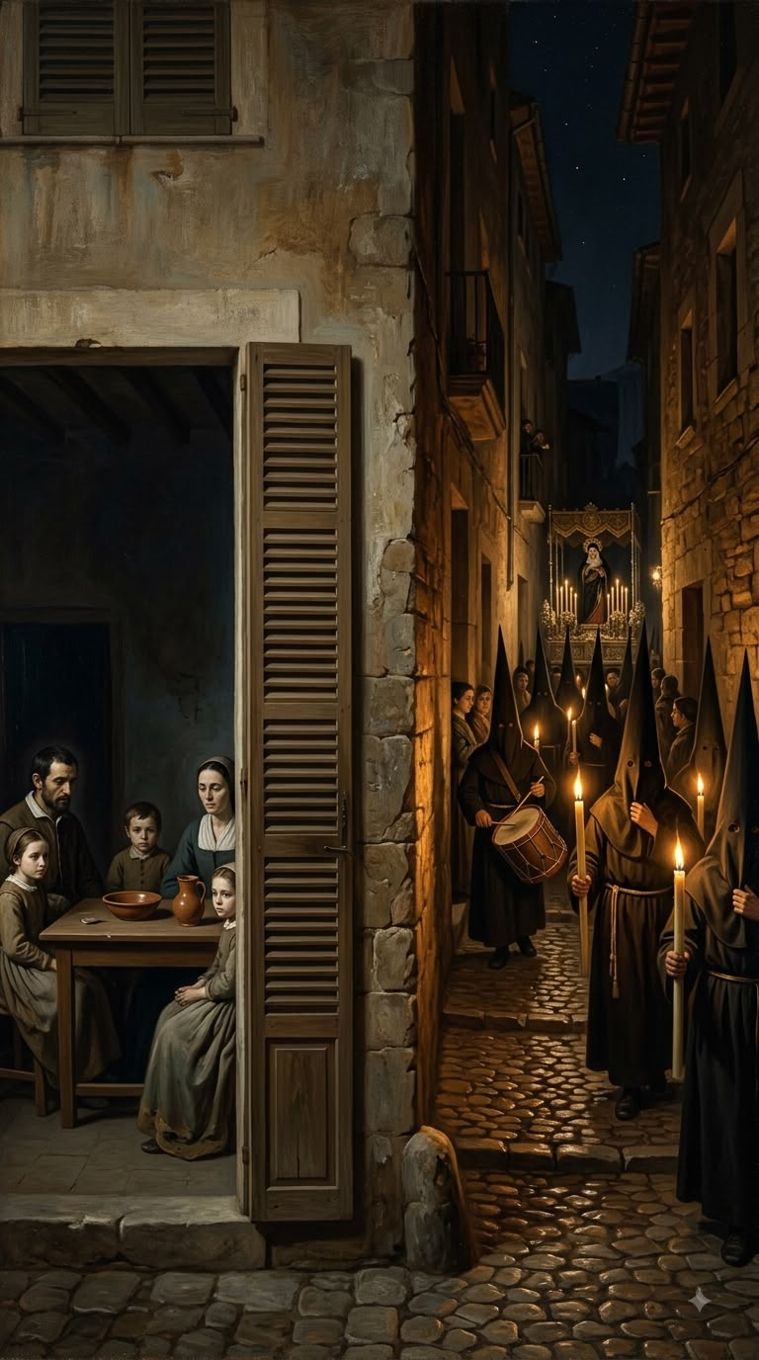
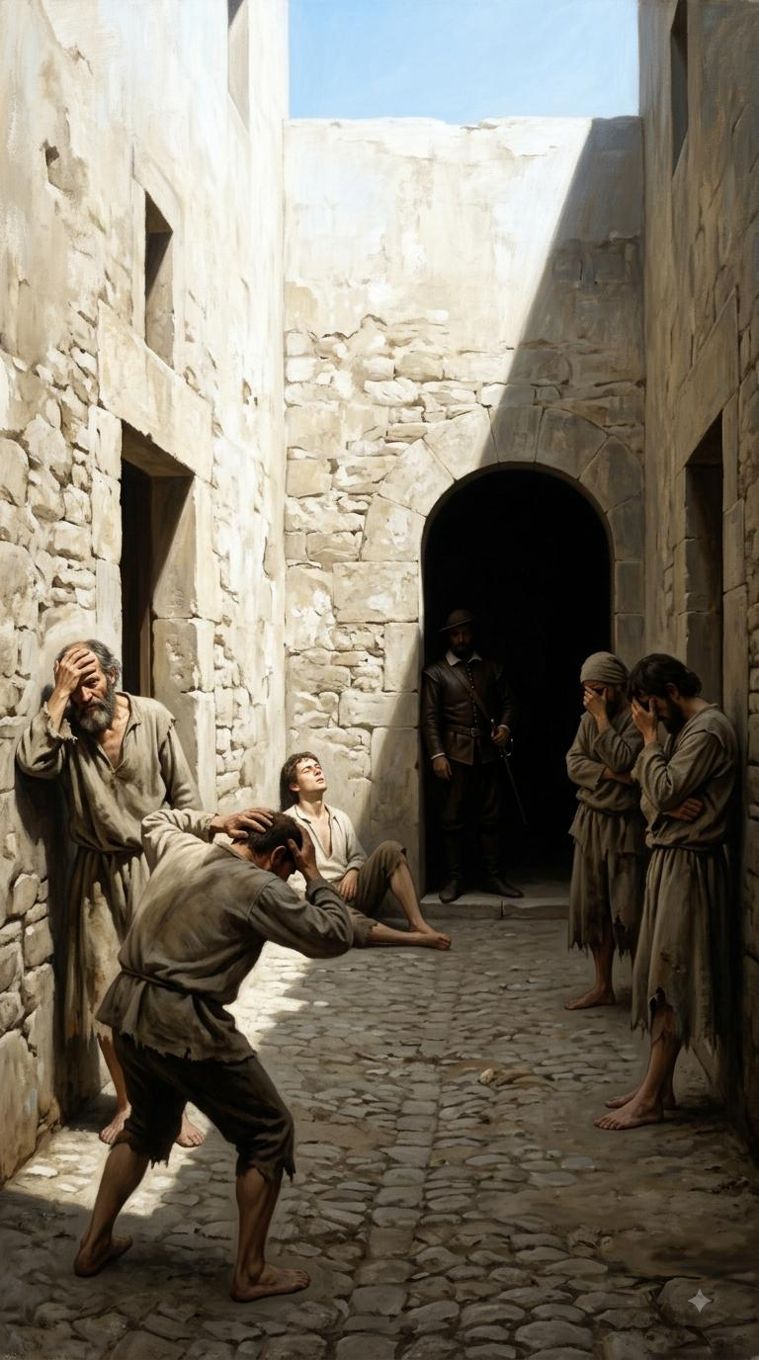
The first auto-da-fé was held at Santo Domingo. Each prisoner walked a railed corridor, the «alley of bitterness», to a hanging cage where the sentence was read.
For the second auto-da-fé a pyre was built between the Lazaretto and Bellver Castle. On it stood twenty-five stakes, each with a small seat.
They were children of Rafael José Tarongí and Francisca Tarongí. Six appeared at the auto-da-fé of 6 May. No two met the same fate.
In 1755 a bookseller wanted to reprint Garau's chronicle. Thousands of copies of the first edition had been printed, and not one could be found.
The sambenitos of the condemned were hung in the convent of Santo Domingo, with their names. They stayed on view until the mid-19th century.
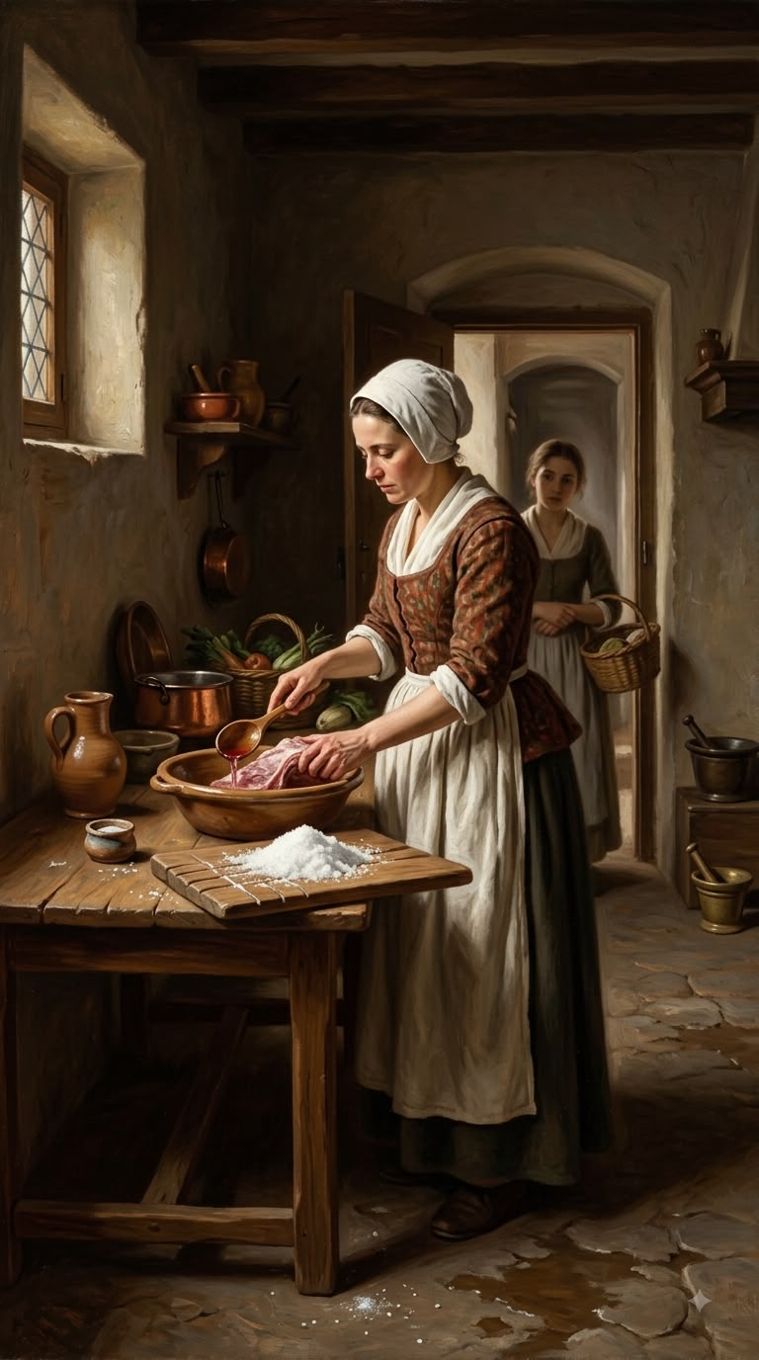
While the pig was being slaughtered at her home, Ana Cortés leaned toward a relative and whispered that «the master wanted it, and one had to be patient».
Francisca Martí was cooking on Friday night. Asked when it was for, she answered: for Saturday, «so as not to eat anything cooked» that day.
On Holy Wednesday or Thursday 1687, someone remarked in front of Violante Forteza that «that would be the day of the fast of the Jews' Passover».
Onofre Cortés de Agustín confessed to everything the witnesses said. Later he explained why: he could not get the coming torture out of his head.
On the cover of his trial file, in the margin, someone wrote one word: «Minor». Joanot Cortés was under twenty-five, the age of majority at the time.
Quiteria Martí had to declare her family tree before the tribunal. She went all the way down to her cousins' grandchildren: «they are very small, the eldest is five».
The vote that sentenced Moixina to death has an exact address: the Secret Chamber, book of Final Votes, folio 264 verso. At the foot of the page, the copyist's errata list.
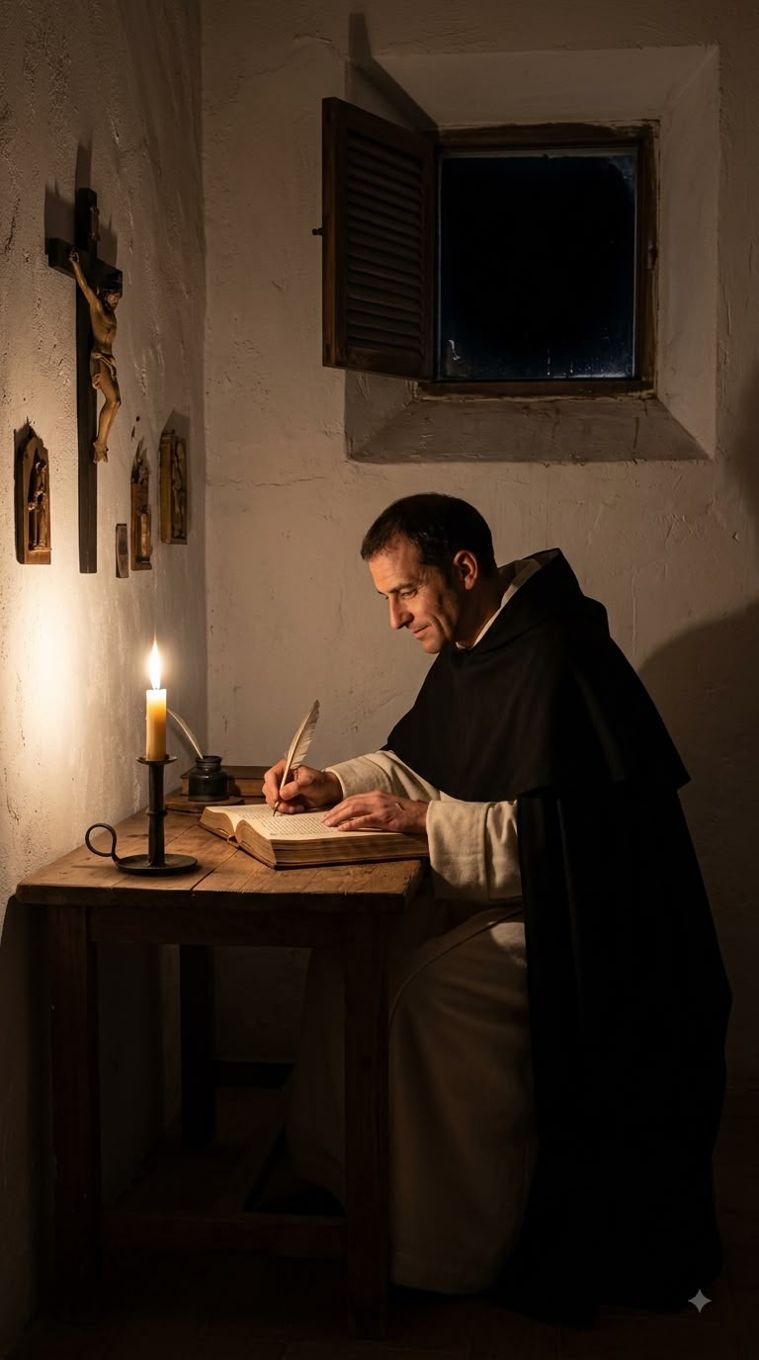
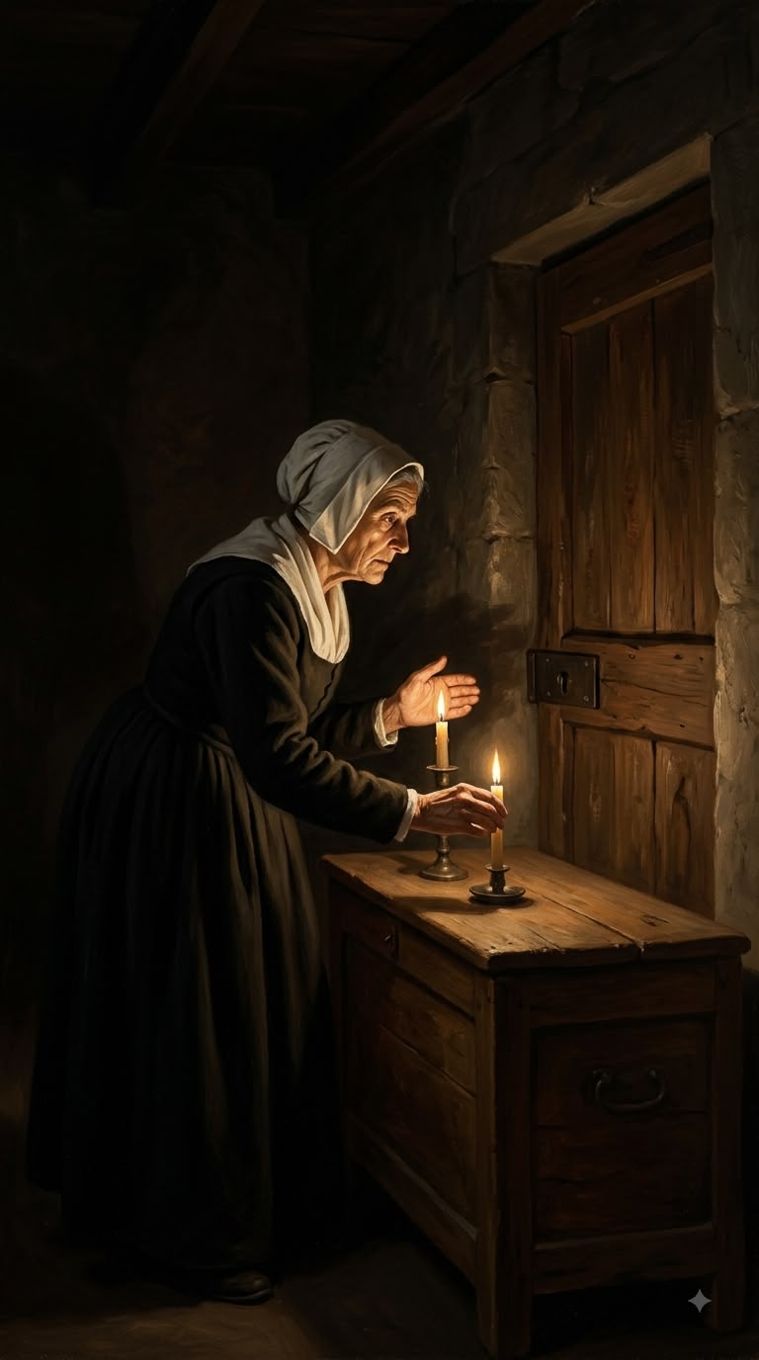
On the eve of every inspection by the inquisitors, the warden warned the prisoners to hide their inkwell, pens, paper and books under their clothes.
On a street where half the neighbors were called Cortés, Martí or Tarongí, the nickname was the real name. The files preserve dozens of them.
The maid told her confessor, Father Francisco Doms. And the confessor, as she herself testified, «said he would tell the Holy Office».
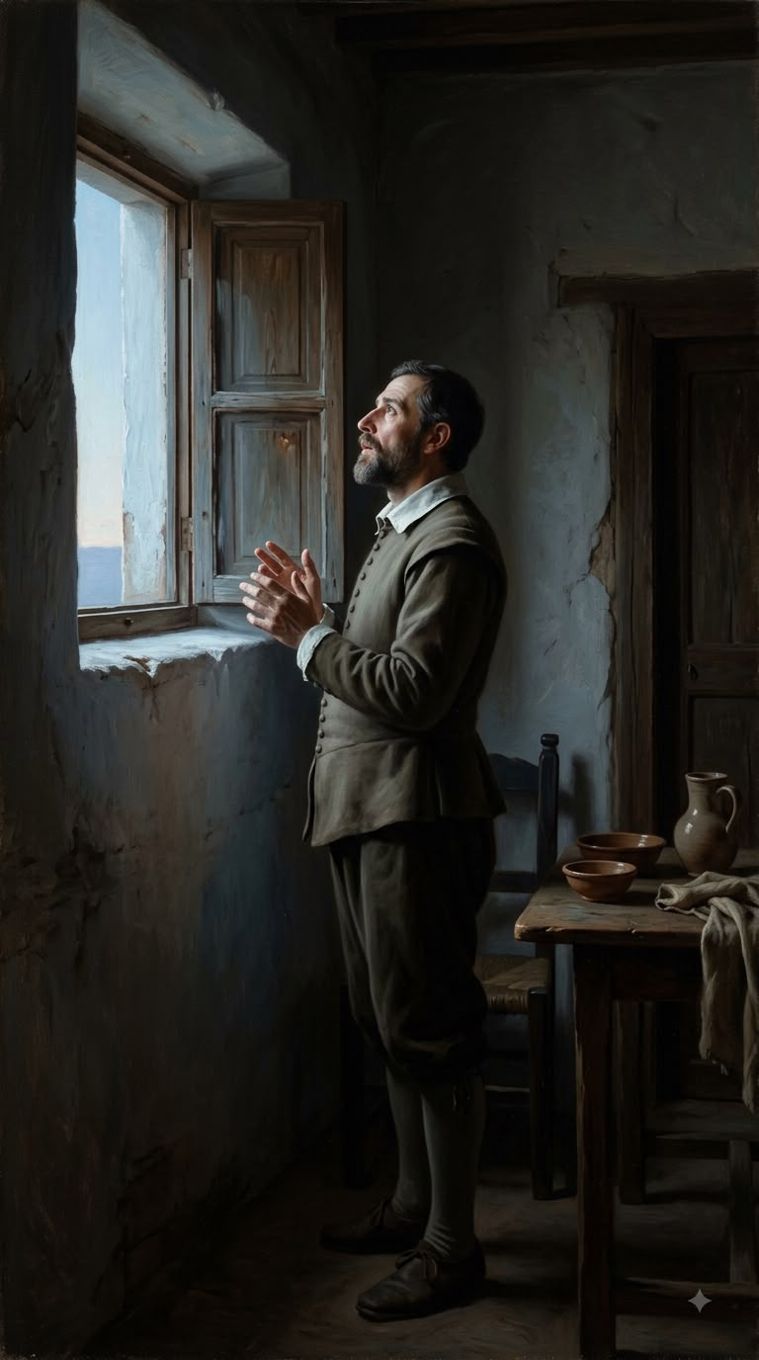
Very early in the morning, Gabriel Cortés would stand at a window of his house, read from a small book and raise his eyes to heaven. For a whole hour.
«Don't be alarmed, this law will pass», Moixina said. Apollo's had lasted eighteen hundred years, and the Christian one had not yet reached seventeen hundred.
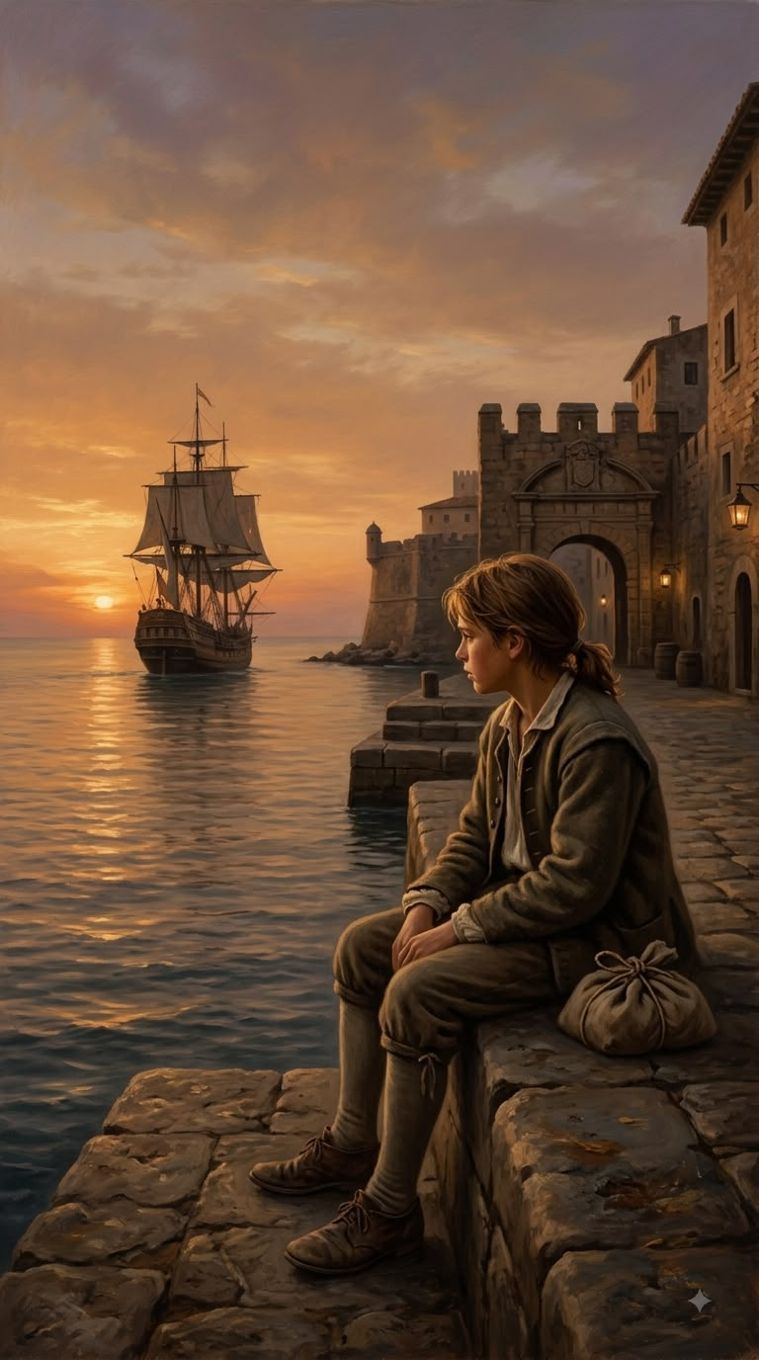
One day, wearing the penitent's habit, Moixina was alone on the quay in Palma. He was grieving, he later said, «begging God for mercy».
«He went by land with so little to live on, found a muleteer and joined him… and he is in France!» A penniless boy had crossed the border.
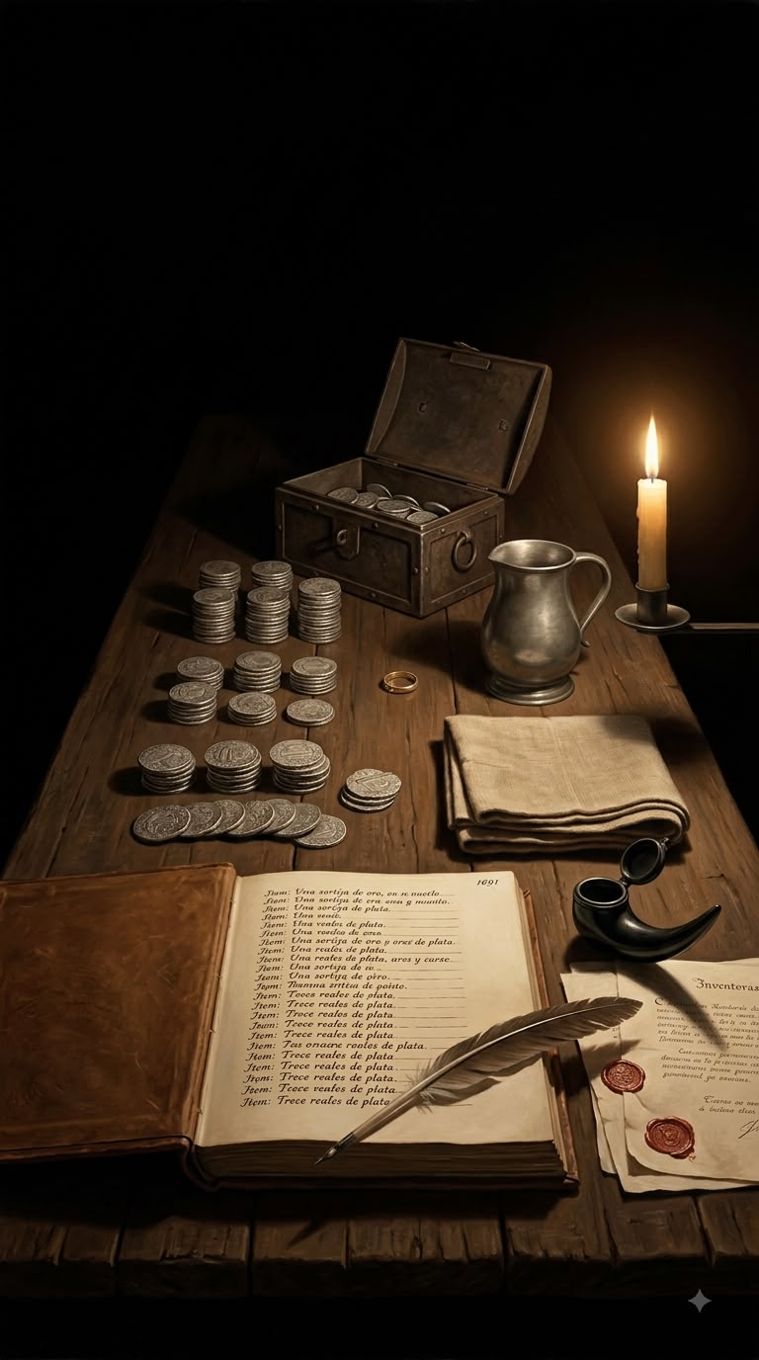
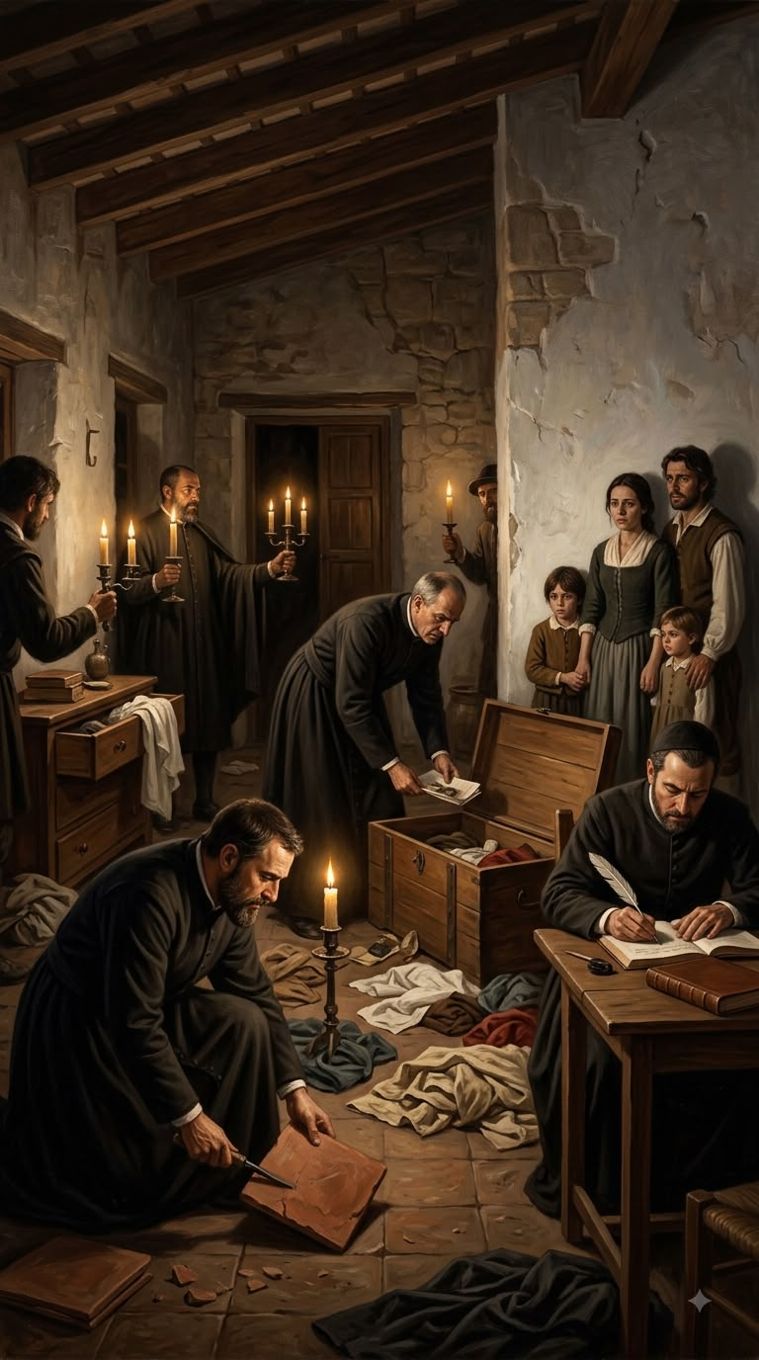
Before the seizure came, one relative handed three hundred pounds in gold, silver and jewels to a younger one to hide. He never got them back.
He could rent them the rooms «without fearing them», and they would not fear him either. That way «both sides could do anything at all».
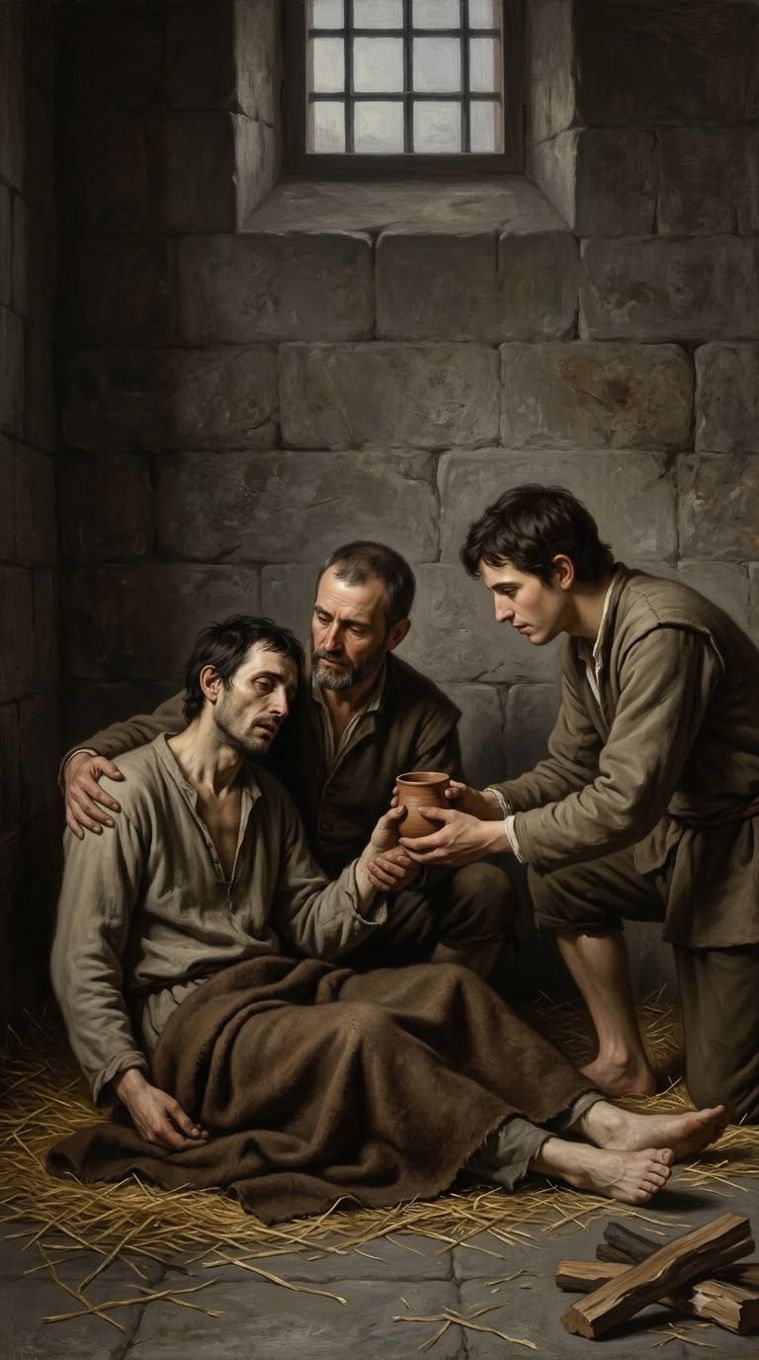
They had already confessed and begged for mercy. But in prison, with the doors open, the women met and told each other they still believed.
Gabriel wanted to marry Margarita Martí. His father refused: she was «of the lesser flock». They argued, and the father laid hands on him.
When her mother, Catalina Valls, died, a fast was kept for her according to the Law of Moses. And her daughter Úrsula, unmarried, began keeping that Law from then on.
La Comendadora offered each of her cellmates an apple «to make peace». None of them would eat it.
The lawyer wrote it plainly: since his client did not know who the witnesses were, he could not point out their flaws. All that was left was to trust the judge's «merciful integrity».
About the sources. Garau wrote La fee triunfante in 1691 to celebrate the autos-da-fé, not to report them neutrally. His numbers and judgments are the Inquisition's. We cite him as a witness of his time, not as the truth.
Controller: Información en Red Infonet, S.L. (Spanish tax ID B81330938), C/ Ortega y Gasset 17, Madrid, Spain · luis@criptojudios.com. Purpose: to send you information about the history of the Chueta surnames and project news. Legal basis: your explicit consent (Arts. 6.1.a and 9.2.a GDPR). Processors: the data is stored in Google Workspace (Google Sheets), which acts as processor; it is not shared with anyone else except where required by law. Retention: until you withdraw consent. You may exercise your rights of access, rectification, erasure, objection, restriction and portability by writing to luis@criptojudios.com, and complain to the Spanish Data Protection Agency (AEPD).