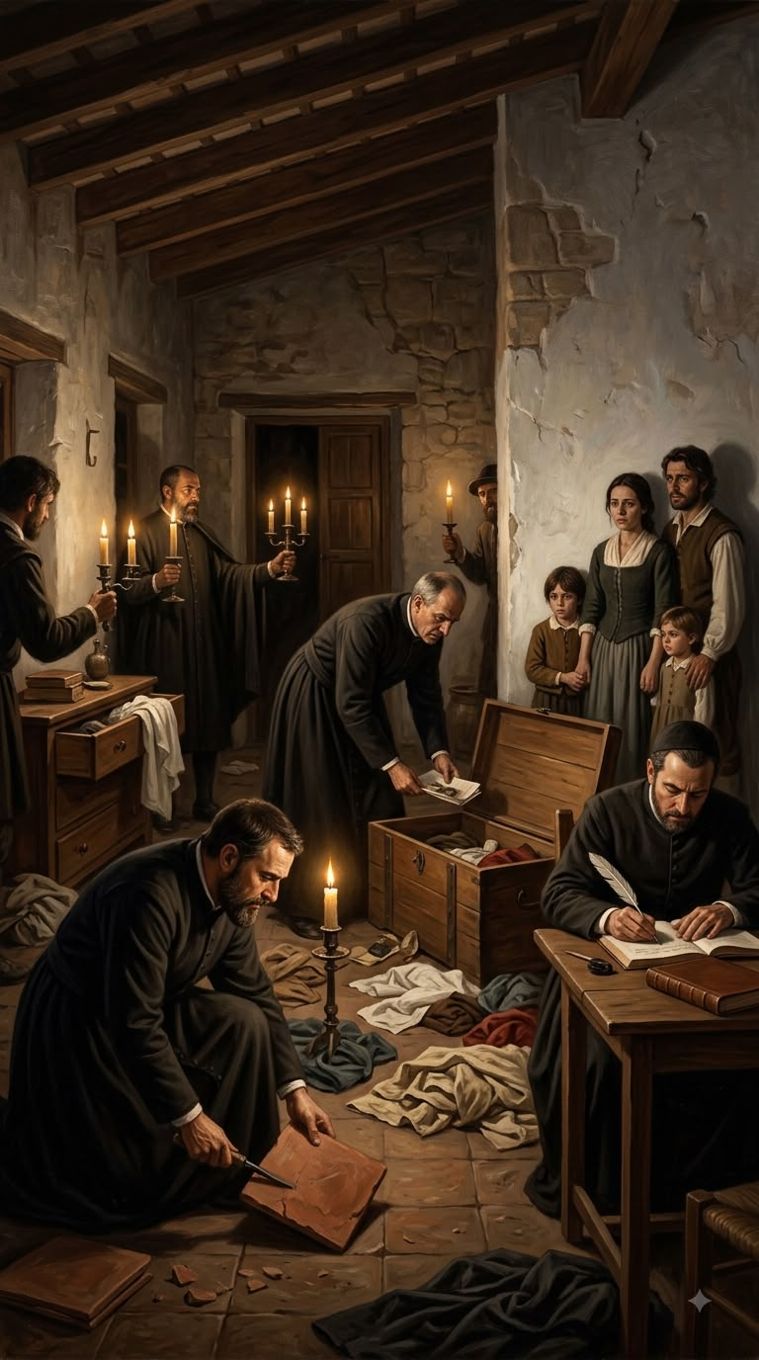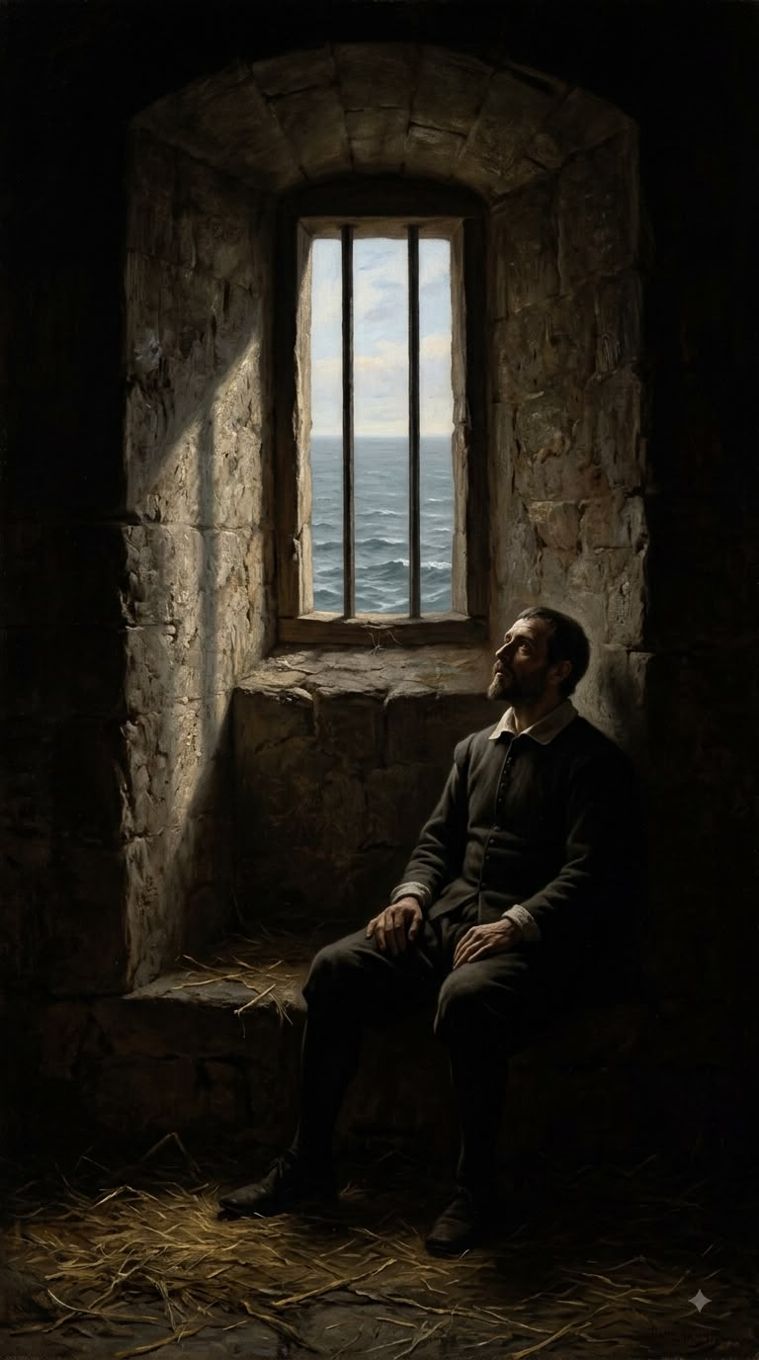
Onofre Cortés de Agustín was one of the prisoners who testified most in those years. He was also one of those who most often took it back. In 1691 he asked for voluntary hearings to retract part of what he had confessed.
His explanation takes up a few lines and needs no comment. He was weighed down by «the thought and imagining, which he could not help, many times, that they would give him an extraordinary torture and the harshest charge». And so, he said, he had confessed to everything in the witnesses' statements.
The tribunal fed that fear with a formula it repeated to every prisoner, at every stage, before reading out what was said against him: confessing now, they told him, «would be very good for him, both to unburden his conscience and for the swift and favorable settlement of his case».
There was no need to reach the torture chamber. It was enough for the prisoner to imagine it. Many of the confessions in these files were born of that imagining.