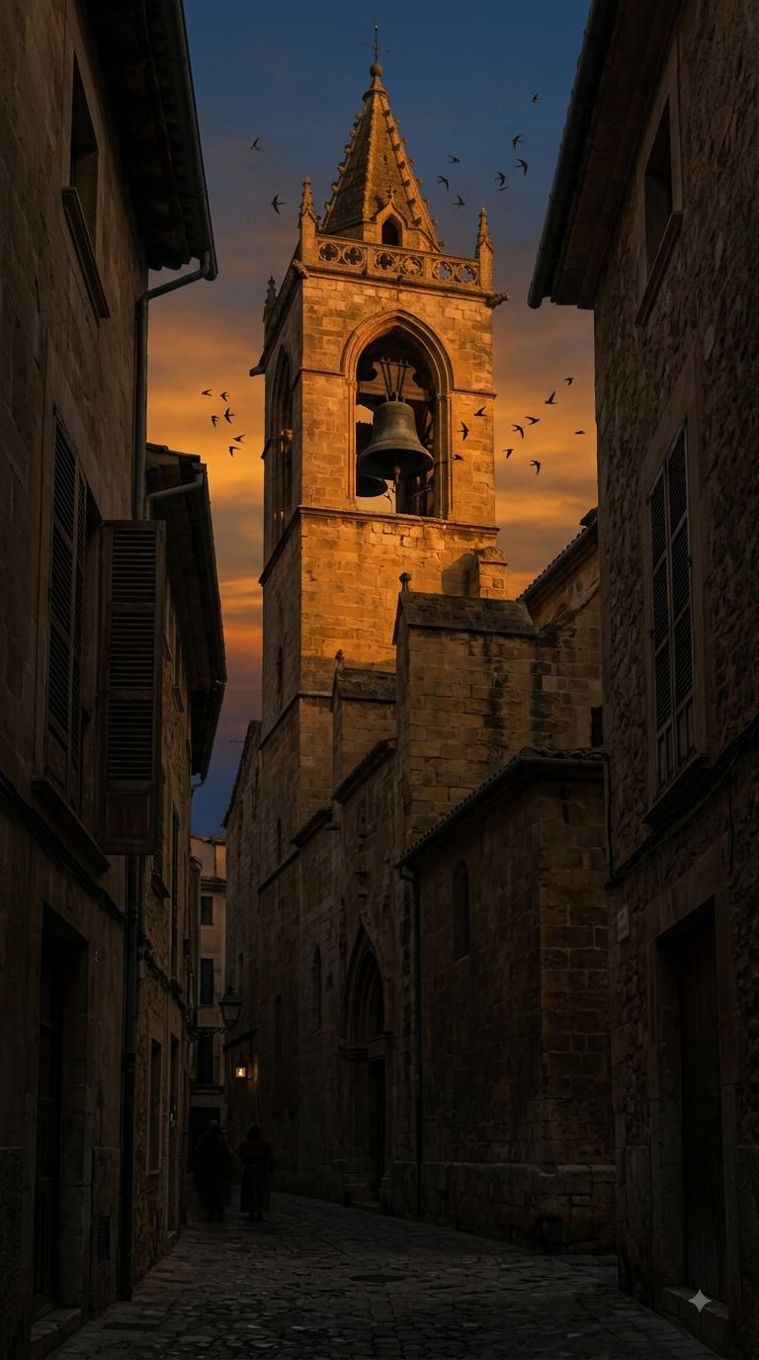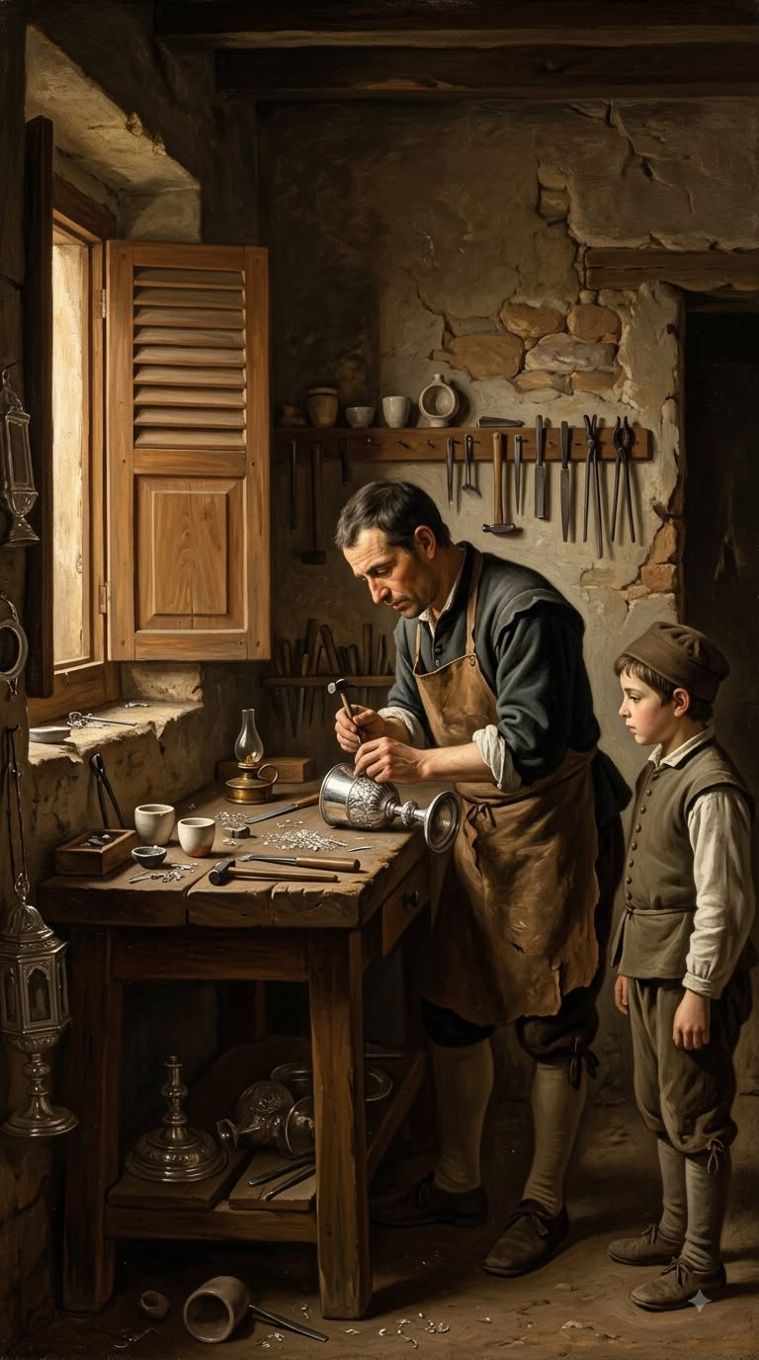
Gabriel Cortés was eleven. His father, Rafael Crespín Cortés, a silversmith, often sent him to buy oil from Pere Onofre Cortès, known as «Moixina», who sold it from his shop on Sagell Street in Palma.
One day Moixina asked the boy what his father had eaten. Lobster, he said. Lobster, like all shellfish, is forbidden under Jewish dietary law. Moixina went to the father and rebuked him: «How could you eat lobster? Don't you know it is forbidden by the Law of Moses?»
The father answered that since his time in Toledo he had been convinced that the law of Christ was the true one. And then, as he later testified, Moixina «became very agitated», his face changed color, and his regret at having revealed himself was plain to see. «And then they changed the subject.»
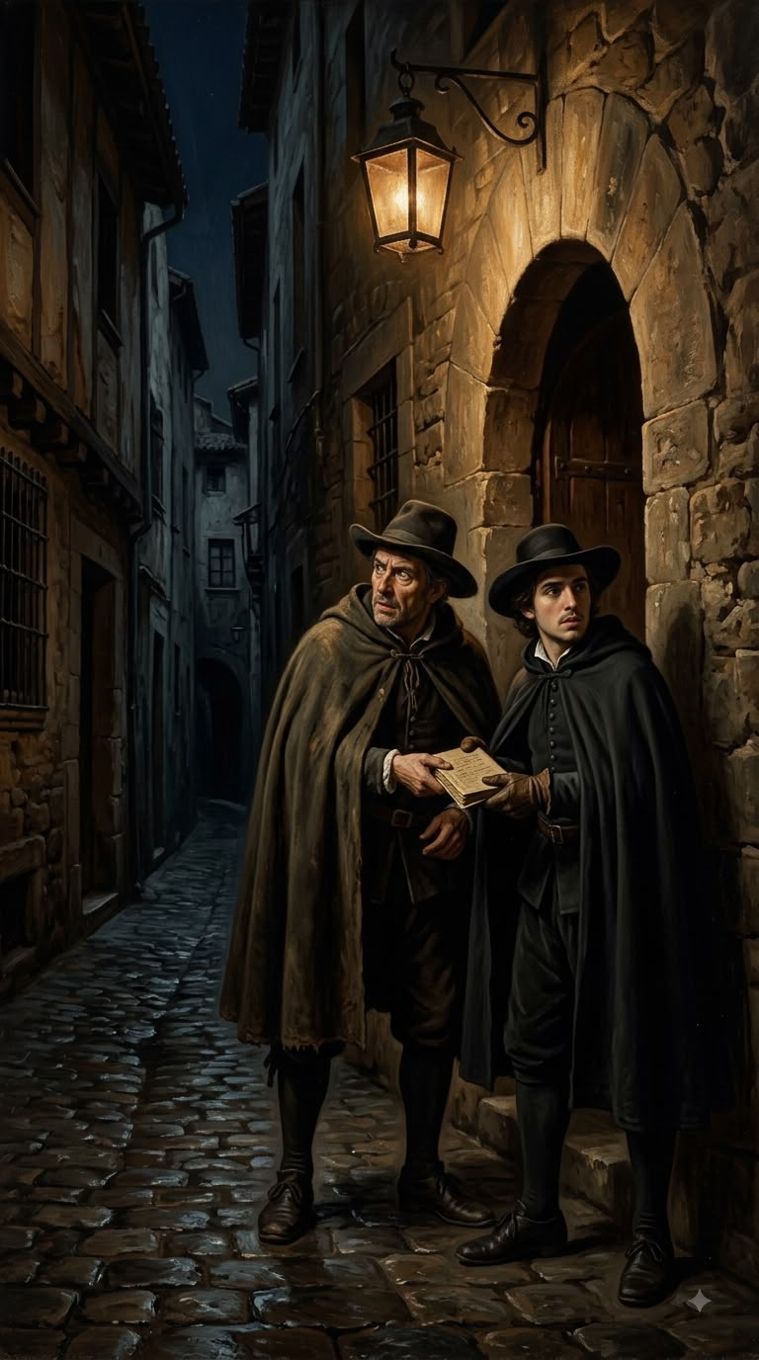
The father reported it. In October 1687 the tribunal wanted to hear the boy too, but quietly: «so as not to draw attention», it sent the Jesuit Sebastián Sabater to question him in his room at the Montesión college, one afternoon, discreetly.
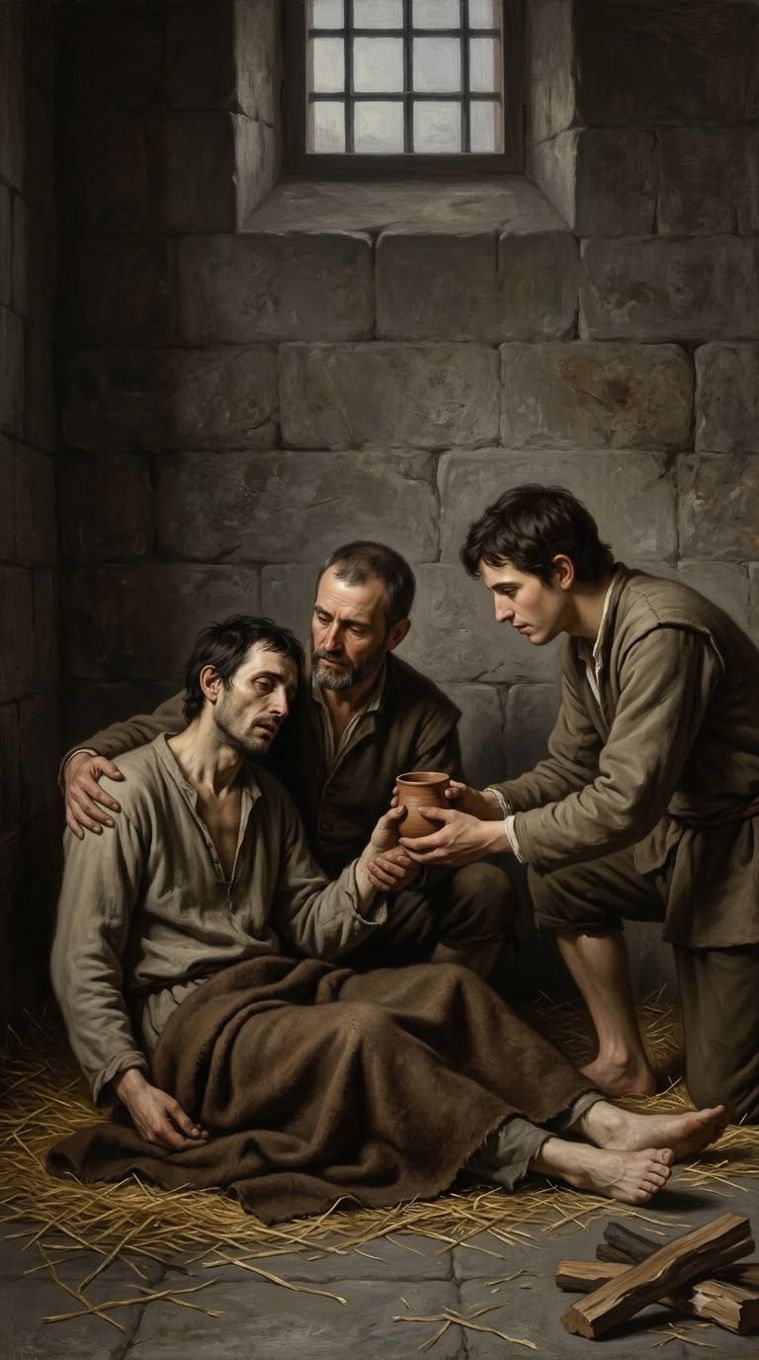
A plate of shellfish, a neighbor's question and the memory of an eleven-year-old. Pieces like these built the case that sent Moixina to the stake.