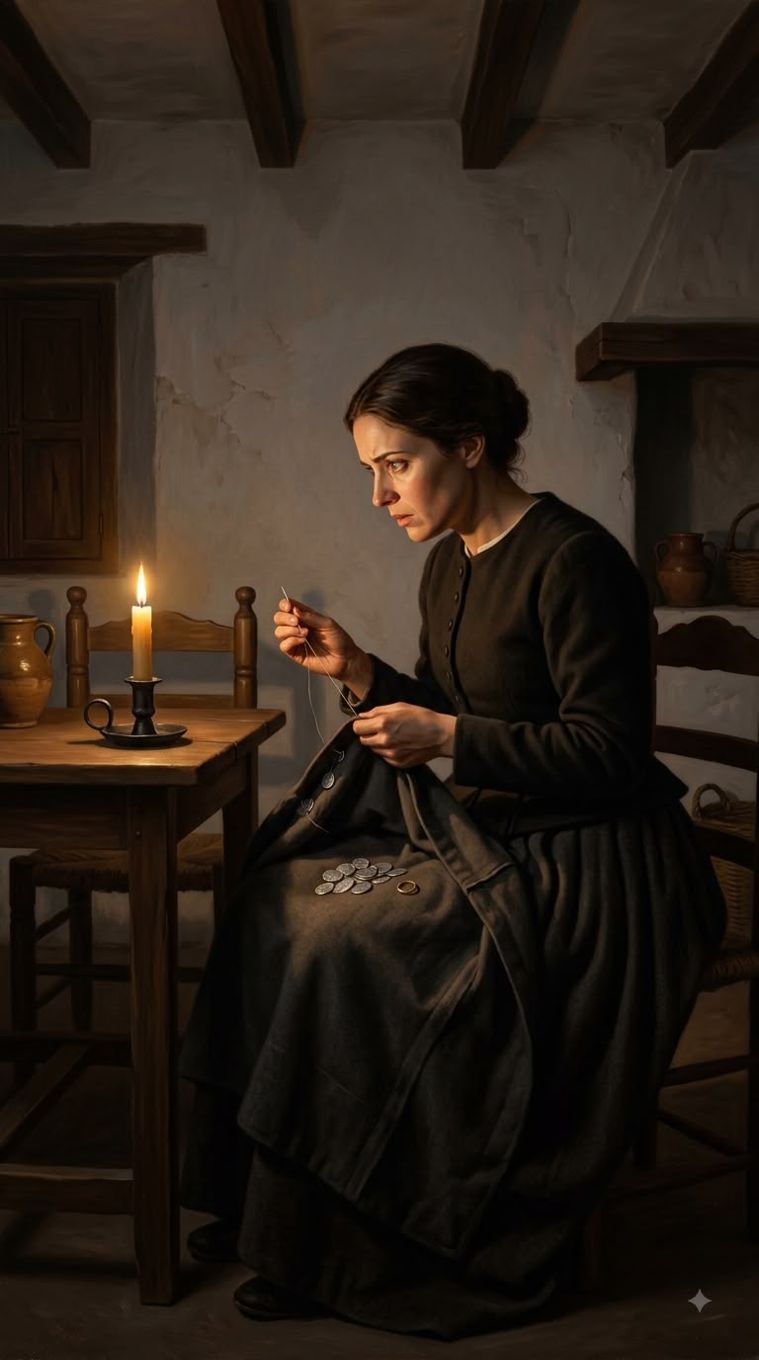
Francisca Tarongí died in the secret prisons. According to her file, she was the sister of Catalina and Rafael Benet Tarongí, who were burned alive in 1691. Death did not close her case.
The Inquisition also tried the dead. Someone was appointed to defend their «memory and reputation», in her case Juan Sureda; living witnesses confirmed their statements against her, and the trial went on with every formality.
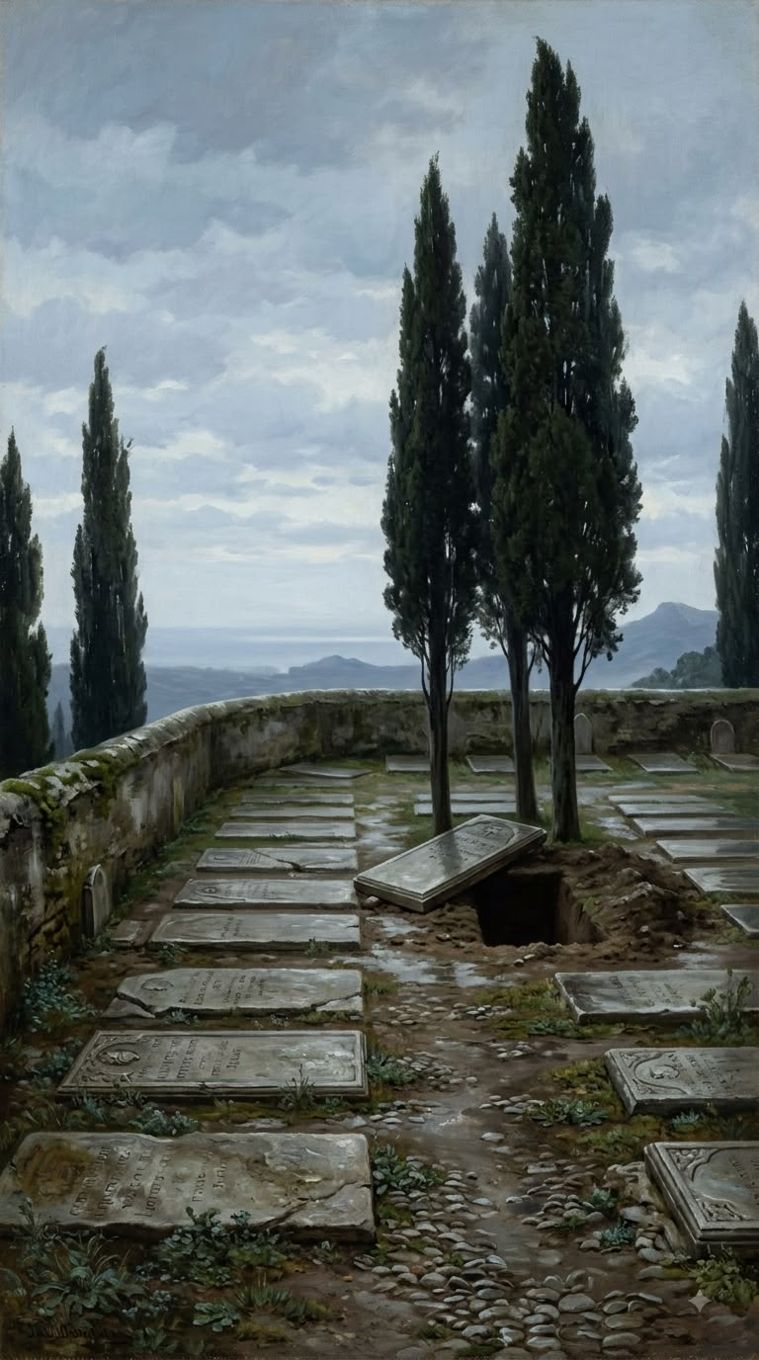
The sentence is in the file: «that the said woman be anathematized, her memory and reputation condemned, and her body and bones exhumed». Her remains were dug up to be burned at the auto-da-fé, and her property, like that of anyone condemned, went to the treasury.
One more detail. Francisca could not write. Where her trial required her signature, the record reads: «and since she did not know how to write, the said Lord Inquisitor signed it». The same happened to Violante Martí and others. Among the women in these files there is not a single woman's signature: their trials were signed by their judges.